Rising high above the bustling streets of San Francisco, Nob Hill stands as a testament to the opulence and resilience of the city's elite. Once the exclusive enclave of the 'Big Four' railroad tycoons—Leland Stanford, Collis Huntington, Mark Hopkins, and Charles Crocker—this neighborhood was the epicenter of wealth during the Gilded Age. This self-guided walk invites you to explore the architectural majesty and dramatic history of an area that was transformed from a site of charred ruins in 1906 into the crown jewel of San Francisco's skyline. As you navigate the steep inclines, you will encounter grand hotels, private clubs, and a soaring cathedral that define the city's character. Unlike a structured walking tour San Francisco might offer elsewhere, this neighborhood stroll allows you to linger at the viewpoints that catch your eye and skip ahead when you are ready. You will see the only brownstone mansion to survive the Great Earthquake, now home to the ultra-exclusive Pacific-Union Club, and the site where the Fairmont Hotel rose from the ashes to become a symbol of the city's rebirth. The route also delves into the engineering marvels of the cable car system, which made living on these heights possible for the wealthy. Whether you are an architecture enthusiast or a history buff, this walking route provides a deep dive into the stories of the families who built the American West. Experience the quiet elegance of Huntington Park and the spiritual grandeur of Grace Cathedral at your own pace. This experience offers a flexible way to travel through time, moving from the industrial might of the 19th-century railroad era to the sophisticated luxury of modern-day Nob Hill.
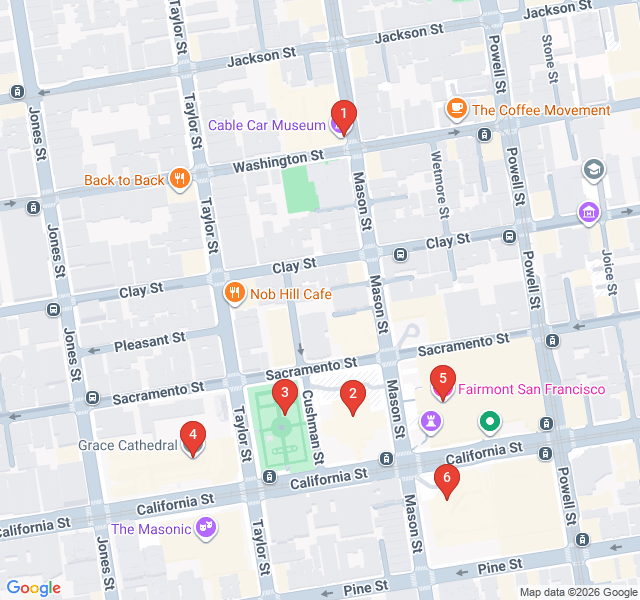
Numbers indicate the order of stops on the tour
Start your self-guided adventure at the power house for the city's most famous moving landmarks. This isn't just a museum; it's the active hub where the giant engines and winding wheels pull the cables that run beneath the streets. Established in 1974, it occupies the 1887 Washington/Mason cable car barn. As you look down at the massive sheaves, consider how this technology was the catalyst for Nob Hill's development. Before Andrew Hallidie’s invention in 1873, these hills were too steep for horse-drawn carriages, making the land nearly worthless. Once the cable cars could conquer the 20-percent grades, the 'Big Four' railroad barons rushed to build their wooden palaces here, forever changing the city's social geography.
Standing before you is the James Leary Flood Mansion, now the Pacific-Union Club. It is a rare survivor of the 1906 Earthquake and Fire. While the interior was gutted by flames, the sturdy brownstone walls—quarried in Connecticut and shipped around Cape Horn—remained standing. It was the first brownstone built on the West Coast, intended to show that silver magnate James Flood had 'arrived.' After the fire, the ruins were purchased by the exclusive Pacific-Union Club and renovated by architect Daniel Burnham. Today, it remains one of the most private and prestigious social clubs in the United States, a silent sentinel of the neighborhood's Gilded Age origins.
This tranquil green space was once the site of the Collis P. Huntington mansion. After the 1906 disaster destroyed the home, Huntington’s widow donated the land to the city to be used as a park. It serves as the 'living room' of Nob Hill. The centerpiece is the Fountain of Tortoises, a replica of a 16th-century fountain in Rome. As you walk through, notice how the park is framed by the neighborhood’s four most significant institutions: the Pacific-Union Club, Grace Cathedral, the Fairmont, and the Mark Hopkins. It is the perfect spot to appreciate the architectural harmony that emerged during the city's reconstruction in the early 20th century.
Grace Cathedral is a masterpiece of French Gothic Revival architecture, often compared to Notre-Dame de Paris. Built on the site of the Crocker family mansions, work began in 1928 and took decades to complete. Before entering, look at the 'Doors of Paradise' at the entrance; they are bronze casts of Ghiberti’s original doors for the Florence Baptistery. Inside, the cathedral is famous for its stunning stained glass, its two labyrinths, and its inclusive atmosphere. The structure is actually made of reinforced concrete, a choice made to ensure it could withstand future earthquakes better than the stone mansions that preceded it. It stands as a spiritual anchor for the city.
The Fairmont is more than a hotel; it is a symbol of San Francisco’s resilience. It was nearly finished when the 1906 earthquake struck. Though the structure survived, the subsequent fire gutted the interior. Exactly one year later, the hotel opened its doors to the public, signaling that San Francisco was back. Over the years, it has hosted every U.S. President since William Howard Taft and was the site where the United Nations Charter was drafted in 1945. Tony Bennett even first sang 'I Left My Heart in San Francisco' in the hotel’s Venetian Room. Its Beaux-Arts facade remains one of the most photographed sights in the city.
The final stop on this walking route is the Mark Hopkins Hotel, located on the highest point of Nob Hill. It stands on the former site of the turreted Victorian mansion of Mark Hopkins, one of the Big Four. The mansion was a marvel of excess, but it burned to the ground in 1906. The current hotel opened in 1926, blending Spanish Renaissance and French Château styles. It is perhaps best known for the 'Top of the Mark' lounge on the 19th floor, which became a legendary spot for servicemen during World War II to have one last drink before shipping out. From here, the views of the Bay and the city are unparalleled, offering a fitting conclusion to your journey through Nob Hill history.
Download Zigway to experience "Gilded Age Grandeur: The Mansions of Nob Hill" with AI-powered audio narration. Walk at your own pace while stories unfold around you.
 Easy
EasySan Francisco, United States
Explore the epicenter of LGBTQ+ history on this self-guided walk through San Francisco's Castro district, from Harvey Milk's legacy to iconic cinema.
 Easy
EasySan Francisco, United States
Explore the historic Barbary Coast waterfront, from the iconic Ferry Building to the vintage arcades and sea lions of the Embarcadero.
 Moderate
San Francisco, United States
Discover hidden art, cinematic history, and historic forts on this self-guided walk through the Presidio’s lush forests and coastal trails.
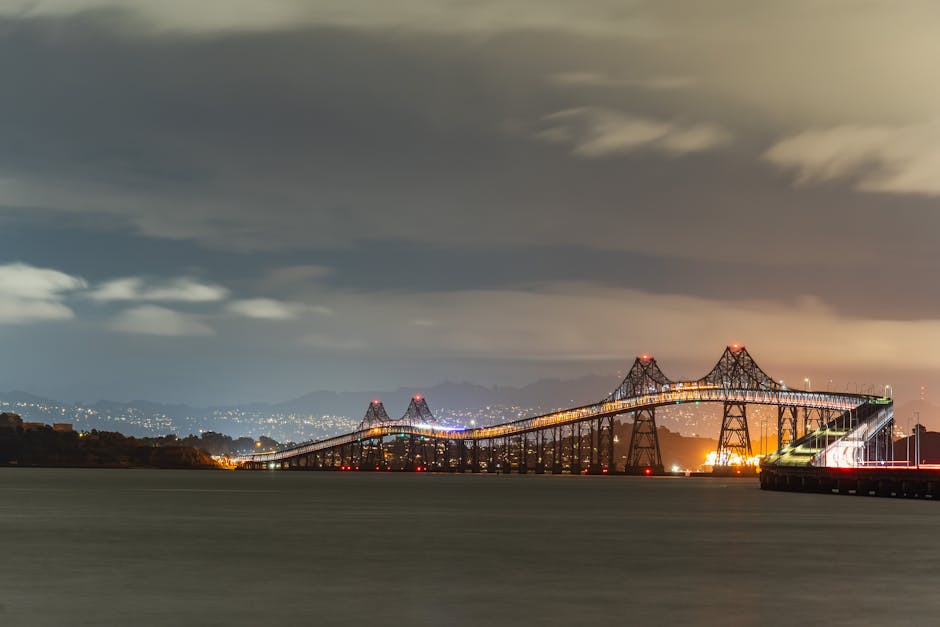 Easy
EasySan Francisco, United States
Explore San Francisco’s architectural evolution from historic Art Deco gems to modern glass skyscrapers on this self-guided walking route.
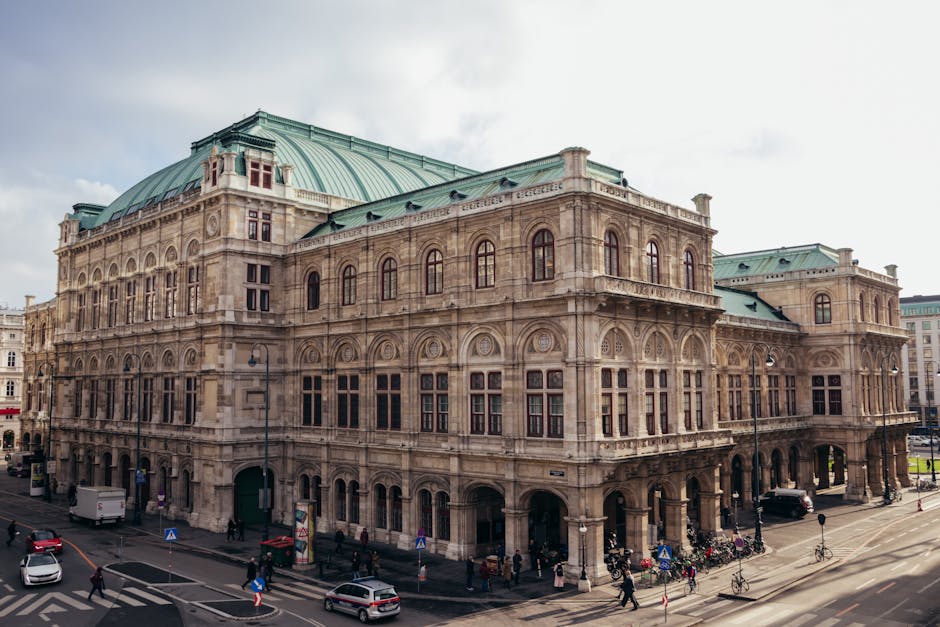 Moderate
Vienna, Austria
Discover the noir world of The Third Man and Cold War Vienna on this atmospheric self-guided audio walk through the historic Innere Stadt.
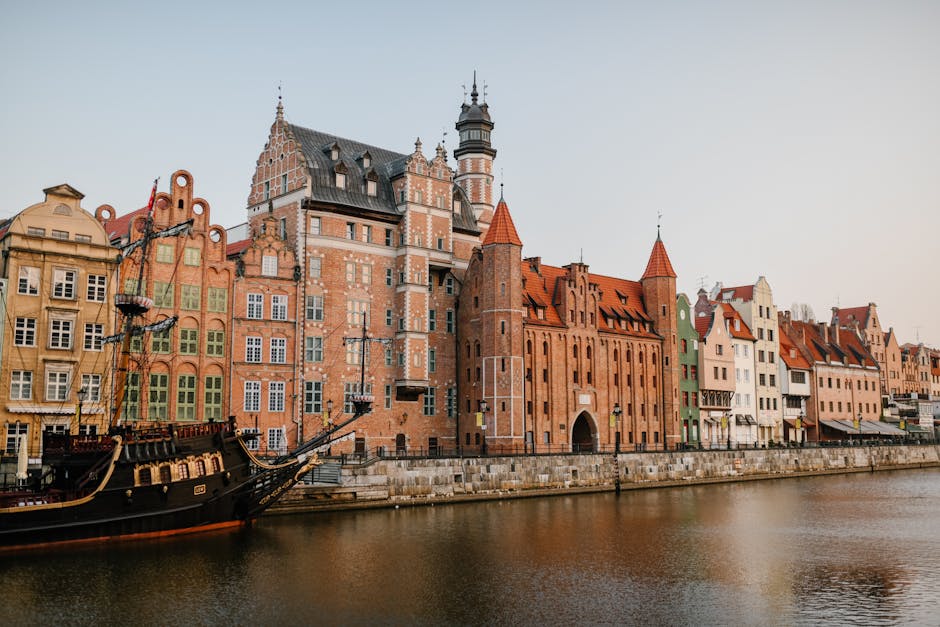 Easy
EasyGdansk, Poland
Discover the 'Baltic Gold' on this self-guided walk through Gdansk's historic mills, massive cathedrals, and the magical Mariacka Street.
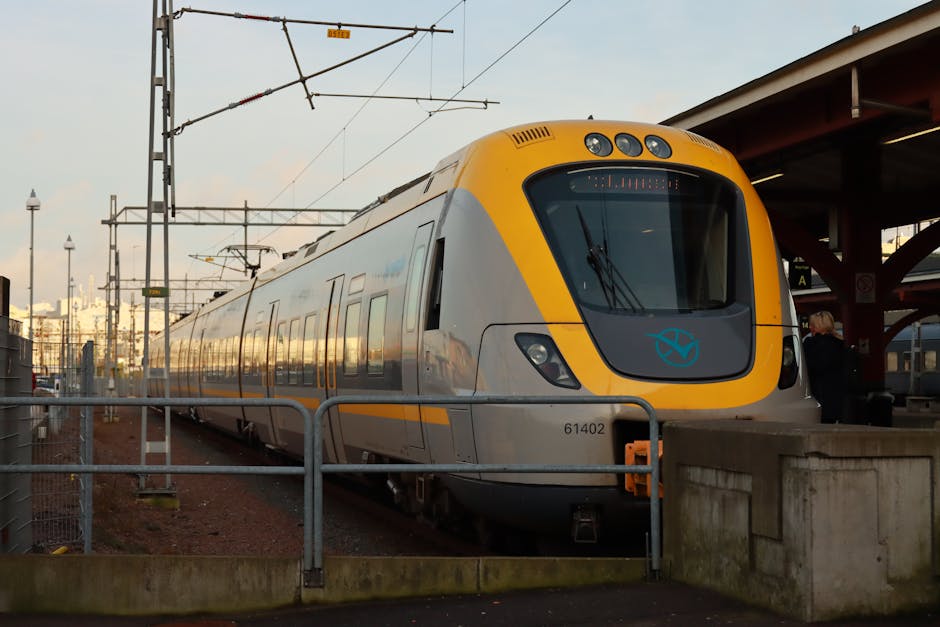 Easy
EasyGothenburg, Sweden
Explore Gothenburg’s historic wooden houses, legendary giant cinnamon buns, and panoramic fortress views on this self-guided neighborhood stroll.
 Easy
EasyGdansk, Poland
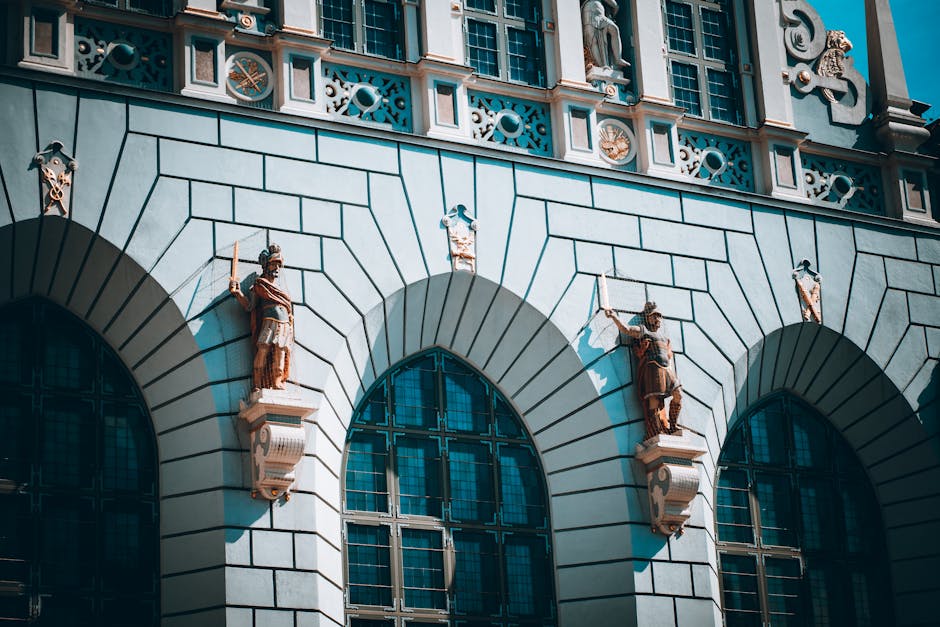
Discover the opulent Royal Way of Gdansk at your own pace. Explore Hanseatic history, gilded architecture, and the iconic Neptune's Fountain.
 Easy
EasyNew York City, United States
Explore the golden age of Manhattan architecture on this self-guided walk through Midtown's iconic Art Deco skyscrapers and historic landmarks.
 Easy
EasyNew York City, United States
Discover the literary legends, jazz haunts, and revolutionary history of Greenwich Village on this immersive self-guided walking route.
 Easy
EasyNew York City, United States
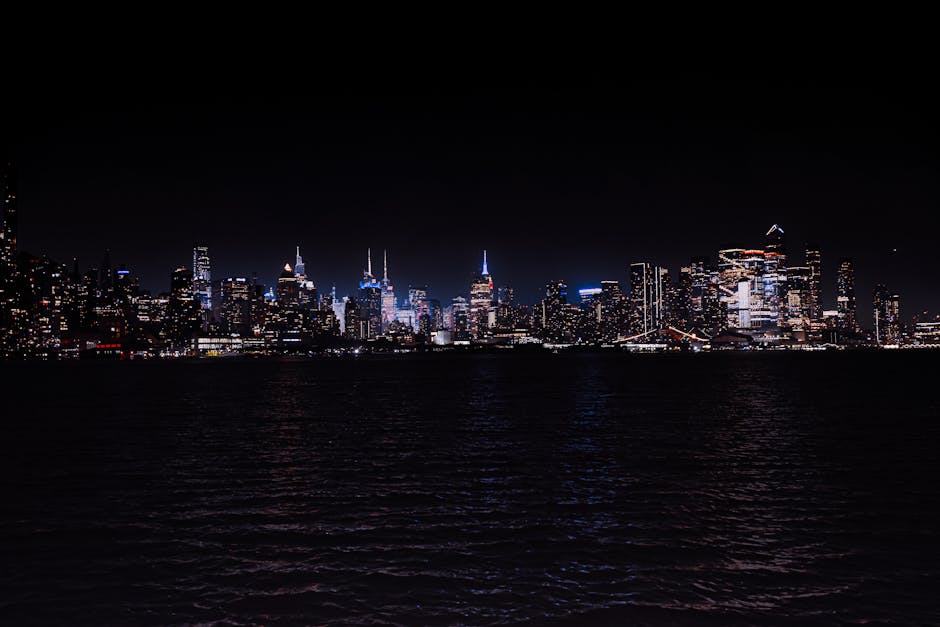
Explore Manhattan's transformation on this self-guided walk from the High Line to Hudson Yards.
 Easy
EasyNew York City, United States
Discover the world's finest cast-iron architecture and the evolution of fashion on this self-guided walking route through NYC's iconic SoHo district.
