Embark on a self-guided adventure through one of Toronto's most sensory-rich corridors. This walking route along Spadina Avenue bridges the gap between the city’s industrial past and its vibrant multicultural present. As you explore independently, you will witness the architectural legacy of the 1930s garment trade seamlessly blending into the bustling activity of one of the largest Chinatowns in North America. The journey begins in the heart of the Fashion District, where towering brick-and-beam buildings once housed the 'shmatte' (garment) trade that defined Toronto's early economy. Moving north, the neighborhood stroll transitions into the lively atmosphere of Chinatown. Here, the air is thick with the aroma of roasted duck and fresh ginger. This section of the walking tour Toronto enthusiasts frequent offers a deep dive into the resilient history of the Chinese community, which moved westward to this location in the mid-20th century. Beyond the markets, the route reveals hidden layers of social history, from Jewish community roots at the Cecil Community Centre to the legendary rock-and-roll stage of the El Mocambo. This self-guided walk is perfect for those who want to discover at their own pace, offering the flexibility to stop for a quick dim sum snack or browse through eclectic shops. Unlike a traditional guided tour Toronto visitors might find elsewhere, this audio walk allows you to linger under the neon signs of Spadina or delve into the quiet side streets that tell the story of waves of immigration. Whether you are interested in Art Deco architecture, the evolution of urban spaces, or simply finding the best photo spots in the city, this route provides a comprehensive look at the silk and spice that make Spadina Avenue unique. Start exploring with Zigway and uncover the stories etched into the facades of the Balfour Building and the vibrant murals of the downtown west end. **Note:** This area is known for its ever-changing character. Street art, pop-up venues, and temporary exhibitions may differ from what's described. That's part of the adventure - you might discover something entirely new!
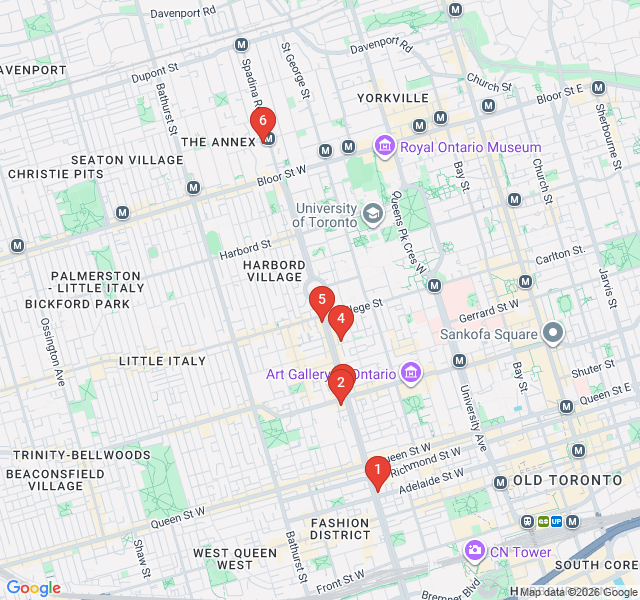
Numbers indicate the order of stops on the tour
Begin your self-guided adventure at the Balfour Building, a stunning 1930s landmark. Designed by Benjamin Brown, one of Toronto’s first Jewish architects, this Art Deco masterpiece was once the heart of the city's garment industry. Look up at the intricate stonework and the vertical lines that define its stature. In the early 20th century, these floors hummed with the sound of sewing machines as thousands of workers produced the 'ready-to-wear' fashion of the era. Today, the building serves as a bridge between the industrial past and the modern creative studios that now occupy the Fashion District. It stands as a monument to the Jewish entrepreneurs who built Spadina’s economic foundation.
As you move north into Chinatown, you'll encounter Dragon City Mall at the corner of Spadina and Dundas. This isn't just a shopping center; it's a cultural anchor for the community. With its distinctive pagoda-style roof accents, the mall represents the shift of Toronto's Chinese community from the 'Old Chinatown' (near City Hall) to this 'West Chinatown' in the 1960s and 70s. Inside and around its perimeter, you’ll find everything from traditional herbalists to modern bubble tea shops. It is a perfect spot to observe the daily rhythm of the neighborhood, where elders meet for tea and the next generation of Torontonians explores global trends.
Standing at the intersection of Spadina and Dundas, you are at the epicenter of one of the most vibrant districts in Canada. This area became the heart of the Chinese community after urban renewal projects displaced many residents from the original Chinatown in the 1950s. Notice the bilingual street signs and the abundance of open-air fruit and vegetable markets that spill onto the sidewalks. The energy here is constant. While the storefronts often change, the spirit of resilience remains. Keep an eye out for the intricate murals and street art in the nearby alleys, which often reflect the heritage and challenges of the immigrant experience in Toronto.
A short stroll off the main drag brings you to the Cecil Community Centre. This building is a physical history book of Toronto’s migration patterns. Originally built as a Methodist church in the late 1800s, it later became the Ostrovtzer Synagogue as the Jewish community grew in the area. By the 1970s, it transitioned into a community hub serving the newer Chinese and Vietnamese residents. The architecture reflects this layering of cultures. It serves as a reminder that Spadina has always been a place of transition and welcome for those arriving in Canada from across the globe.
You can’t miss the iconic neon palm tree of the El Mocambo. This venue is a legend in the global music scene. While it has seen many renovations, its history is immortalized by the famous 'secret' show played here by the Rolling Stones in 1977. Over the decades, it has hosted everyone from Blondie to U2, serving as a pillar of Toronto’s nightlife. The 'El Mo' represents the gritty, creative soul of Spadina Avenue, where high fashion and fine dining give way to the raw energy of live performance. Even if there isn't a show on, the facade remains one of the most photographed spots in the city.
The final stop is the Spadina Theatre, home to the Alliance Française. Located in a historic building that once served as a hub for the Jewish community (the Labor Zionist Movement), it now promotes French language and culture. This final stop encapsulates the true nature of Spadina: a street where a Jewish hall can become a French cultural center, located just steps from a Chinese market. It is a testament to Toronto’s successful multicultural fabric. From here, you can continue north to the Annex neighborhood or head back south to revisit any shops that caught your eye.
Download Zigway to experience "Spadina's Silk and Spice: Chinatown & Fashion District" with AI-powered audio narration. Walk at your own pace while stories unfold around you.
 Challenging
Toronto, Canada
Explore Toronto's crown jewel with this self-guided walk through High Park’s hidden gardens, historic lodges, and scenic waterfront trails.
 Easy
EasyToronto, Canada
Explore Toronto's iconic skyline on this self-guided walk through the Financial District's historic stone halls and golden glass towers.
 Easy
EasyToronto, Canada
Explore North America's largest collection of Victorian homes and peaceful green spaces on this self-guided stroll through Toronto's Cabbagetown.
 Easy
EasyToronto, Canada
Explore Yorkville’s transformation from 1960s hippie haven to Toronto’s premier luxury district on this self-guided audio walk.
 Easy
EasyGothenburg, Sweden
Explore Gothenburg’s historic wooden houses, legendary giant cinnamon buns, and panoramic fortress views on this self-guided neighborhood stroll.
 Moderate
Gdansk, Poland
Discover the bohemian soul of Gdańsk. Explore the literary landmarks of Günter Grass, Prussian villas, and the trendy cafes of historic Wrzeszcz.
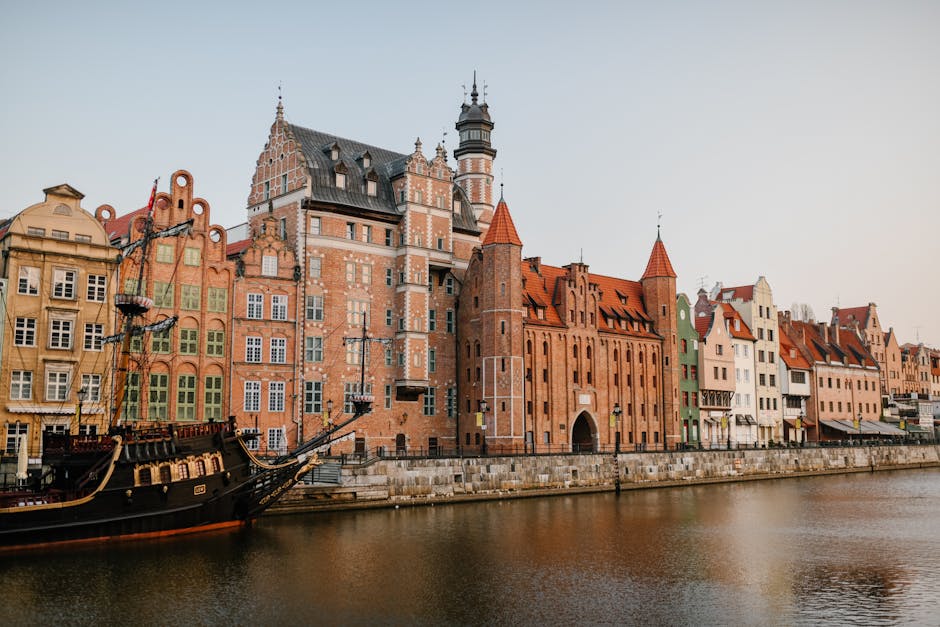 Easy
EasyGdansk, Poland
Discover the neon-lit rebirth of Gdansk's shipyards on this self-guided walk through industrial food halls, container bars, and legendary clubs.
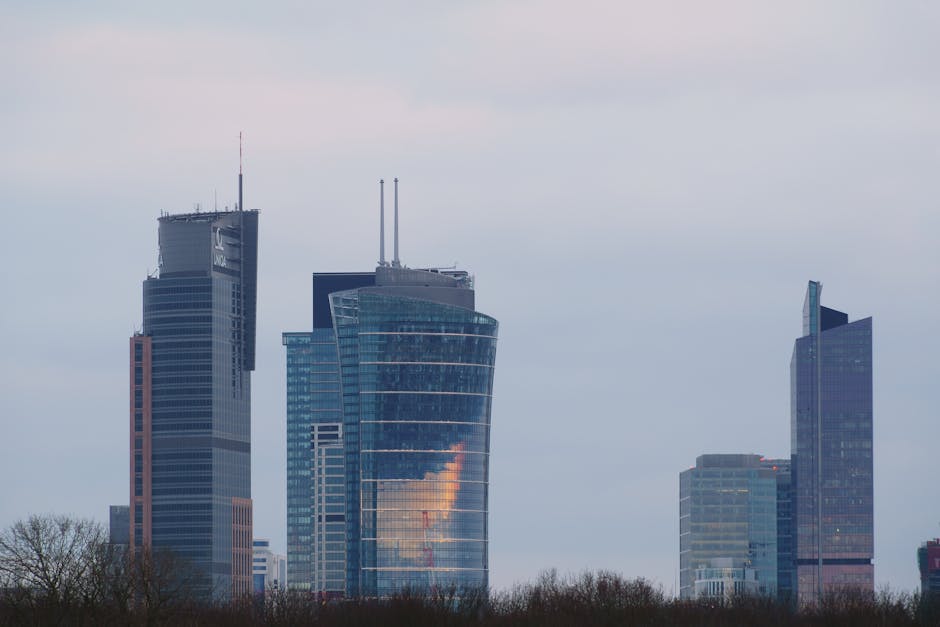 Easy
EasyWarsaw, Poland
Discover the hidden courtyards and grand pre-war architecture of Warsaw's most atmospheric neighborhood on this self-guided stroll.
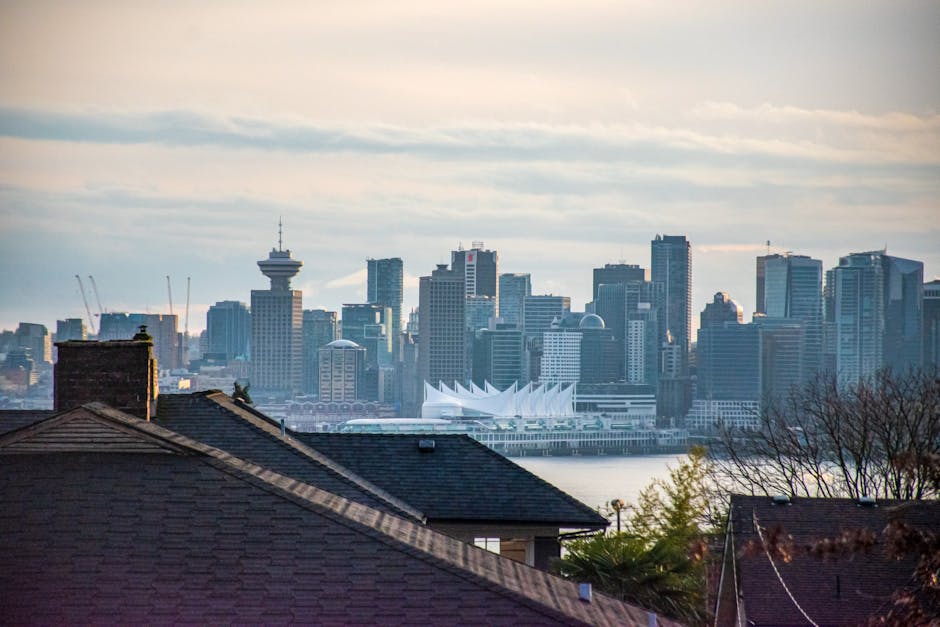 Easy
EasyVancouver, Canada
Explore Vancouver’s transformation from industrial hub to futuristic urban oasis on this self-guided audio walk along the scenic False Creek Seawall.
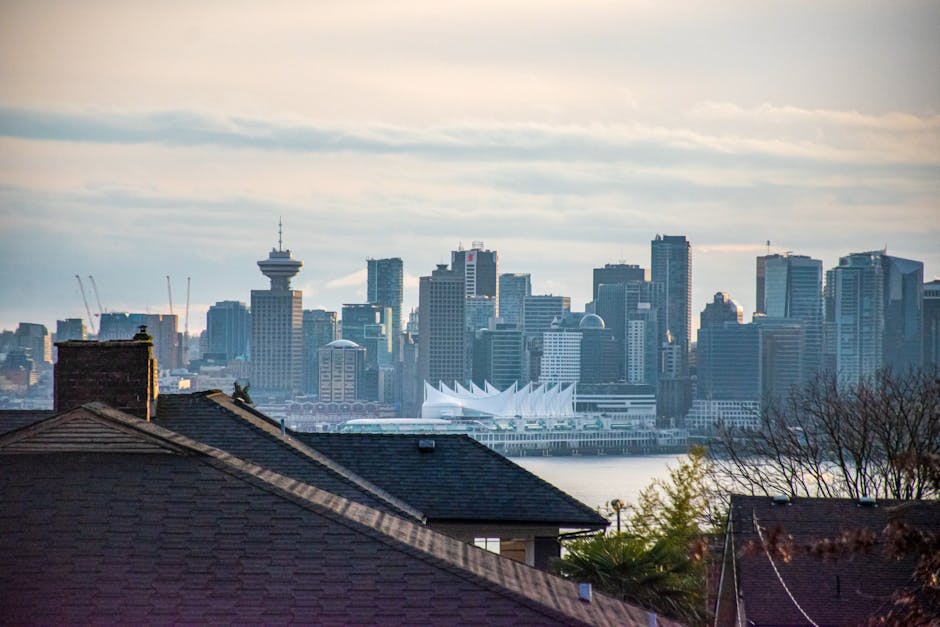 Moderate
Vancouver, Canada
Discover the cinematic secrets of Hollywood North on this self-guided walk through Downtown Vancouver’s most famous filming locations.
 Easy
EasyVancouver, Canada
Explore Vancouver's oldest neighborhood, from Victorian homes to the historic heart of the city's multicultural pioneer communities.
 Easy
EasyVancouver, Canada
Discover how historic rail warehouses became Vancouver’s trendiest district on this self-guided stroll through Yaletown’s chic streets and parks.
