Step away from the high-fashion runways and into the liquid history of Milan's Navigli district. This self-guided walk invites you to explore a side of the city where ancient spirituality meets the industrial grit of the Middle Ages. Long before Milan was a global design capital, it was a city of water, crisscrossed by a network of canals that functioned as the lifeblood of its economy and the transport route for the very marble that built the Duomo. Your neighborhood stroll begins at the historic Corso di Porta Ticinese, a gateway that has seen everyone from Roman legions to modern-day bohemian artists. As you move toward the Basilica di Sant'Eustorgio, you will encounter one of Milan’s most profound religious sites, steeped in the legend of the Three Kings. This route highlights how the city's sacred spaces were once intimately connected to its waterways. Following the path toward the Darsena, the city’s ancient inland port, you will see how Milan has successfully reclaimed its industrial heritage. Once a bustling hub of trade, the Darsena is now a vibrant public space that perfectly captures the transition from daylight history to evening nightlife. The walking route then leads you into the heart of the Navigli, where you will discover the Vicolo Privato Lavandai. This narrow alley offers a rare, preserved glimpse into the daily lives of 19th-century residents. Finally, you will reach the Naviglio Grande, the oldest canal in the city. Here, the history of the 12th century blends seamlessly with a thriving modern social scene. Whether you are interested in the engineering genius of Leonardo da Vinci’s lock systems or the contemporary allure of Milanese aperitivo culture, this walking tour Milan provides a comprehensive look at how water shaped the city’s identity. Discover at your own pace how these 'conventicles' or secret meeting places and the flowing canals created the unique atmosphere that defines the district today.
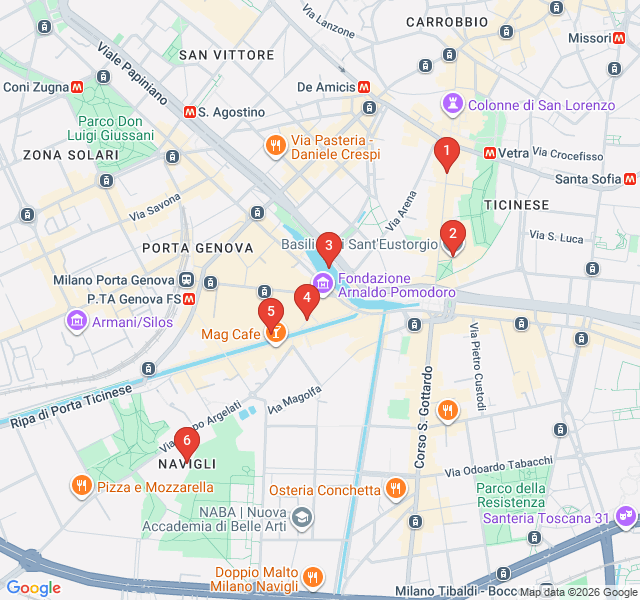
Numbers indicate the order of stops on the tour
Start exploring with Zigway at Corso di Porta Ticinese, a street that serves as a bridge between Milan’s Roman past and its bohemian present. This thoroughfare was historically the main road leading to Pavia and has retained a gritty, authentic character that stands in contrast to the polished boutiques of the city center. As you walk, notice the transition in architecture and the abundance of street art and independent shops. This area has long been a hub for alternative culture and social movements in Milan. The street is anchored by the ancient Porta Ticinese gate, a 19th-century neoclassical structure that replaced much older medieval and Roman fortifications. It sets the stage for a journey into the city's deeper, more complex history.
The Basilica di Sant'Eustorgio is a site of immense historical and religious importance. Founded in the 4th century, it is famous for housing the relics of the Three Kings, or the Magi. According to legend, Bishop Eustorgio transported the massive stone sarcophagus from Constantinople to Milan on a cart pulled by oxen; when the oxen collapsed on this spot, he took it as a sign to build the church here. Although Frederick Barbarossa looted the relics in 1164, a portion of them was returned in the 20th century. Don't miss the Portinari Chapel at the back, a masterpiece of Renaissance art. This basilica was also the headquarters of the Inquisition in Milan, adding a layer of dark complexity to its hallowed halls.
The Darsena was once the primary port of Milan, a bustling dock where the Naviglio Grande and the Naviglio Pavese meet. For centuries, this was one of the busiest commercial ports in Italy, despite being miles from the sea. It was through these waters that the Candoglia marble for the Duomo was transported. After decades of neglect, the Darsena was completely revitalized for Expo 2015 and has since become a favorite local gathering spot. As you walk along the water’s edge, imagine the heavy barges that once filled this basin. Today, it serves as a symbolic heart for the district, bridging the gap between the city’s industrial maritime history and its modern role as a center for leisure and social life.
Step into the Vicolo Privato Lavandai to find one of the most photographed and evocative corners of Milan. This narrow alley is named after the 'lavandai,' the men who belonged to a 18th-century confraternity dedicated to washing laundry for wealthy families. While we often associate laundry with women, it was a male-dominated profession here for centuries. You can still see the stone 'brelle'—the low stone slabs where the washers knelt—and the wooden structures used to protect them from the elements. The water used for washing was drawn directly from a small brook fed by the Naviglio Grande. This spot remains a quiet sanctuary of 'Old Milan,' largely unchanged by the modernization occurring just a few meters away.
Facing the Naviglio Grande, the Church of Santa Maria delle Grazie al Naviglio offers a moment of spiritual reflection amidst the busy canal-side life. The current structure dates primarily from the early 20th century, but a religious site has existed here since the 1500s. Its facade is a notable example of the eclectic styles popular in Milan during its construction. Historically, this church served as a landmark for the boatmen and merchants navigating the canals. Its presence directly on the water reinforces the theme of this neighborhood stroll: the inseparable link between the city’s spiritual life and its functional waterways. Inside, the church is often a peaceful escape from the lively crowds outside on the Naviglio.
You are now at the Naviglio Grande, the oldest and most significant canal in Milan’s historic system. Construction began in 1177, making it one of the most impressive engineering feats of the medieval era. It was later improved by Leonardo da Vinci, who designed a system of locks to manage the water levels—an innovation that revolutionized transport in the region. For centuries, this canal connected Milan to Lake Maggiore, bringing in grain, salt, and construction materials. Today, the Naviglio Grande is the epicenter of Milan’s nightlife and aperitivo culture. The iron bridges and low-rise colorful buildings house art galleries, vintage shops, and countless bars. It is the perfect place to end your self-guided adventure, perhaps by enjoying a drink as the sun sets over the water.
Download Zigway to experience "Canals and Conventicles: Navigli's Liquid History" with AI-powered audio narration. Walk at your own pace while stories unfold around you.
 Moderate
Milan, Italy
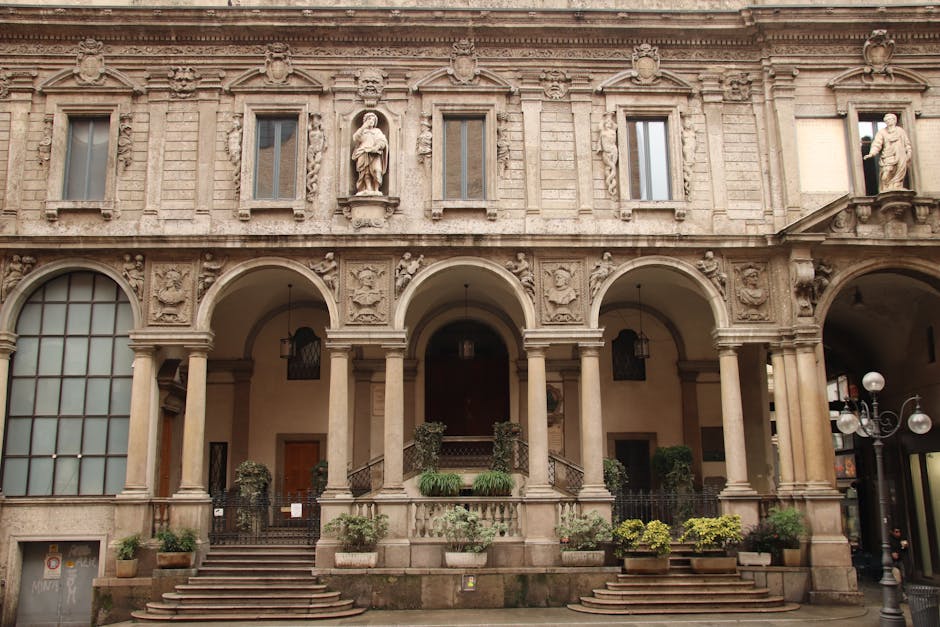
Uncover the hidden capital of the Western Roman Empire on this self-guided walk through Milan's ancient ruins and historic Cinque Vie district.
 Moderate
Milan, Italy
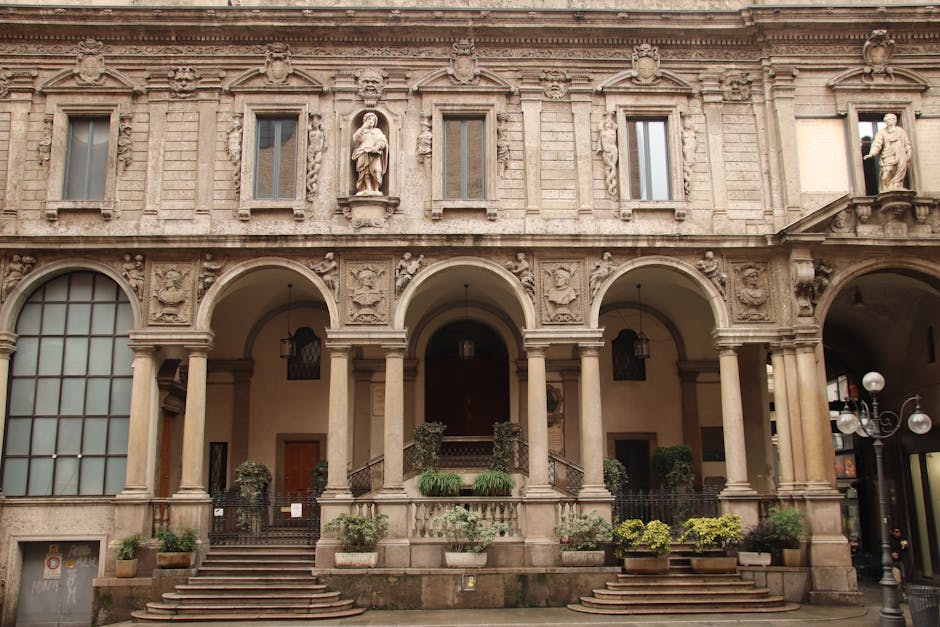
Uncover Milan's dark past on this self-guided walk through plague hospitals, execution grounds, and bone-lined chapels.
 Moderate
Milan, Italy
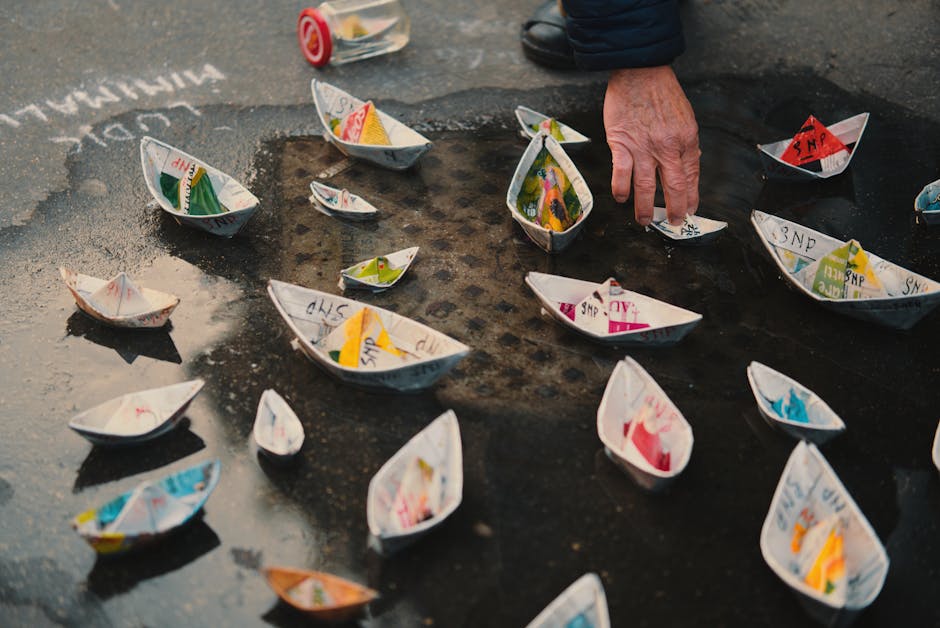
Explore Milan’s creative heart on this self-guided walk through Isola’s vibrant murals, modern architecture, and hidden industrial history.
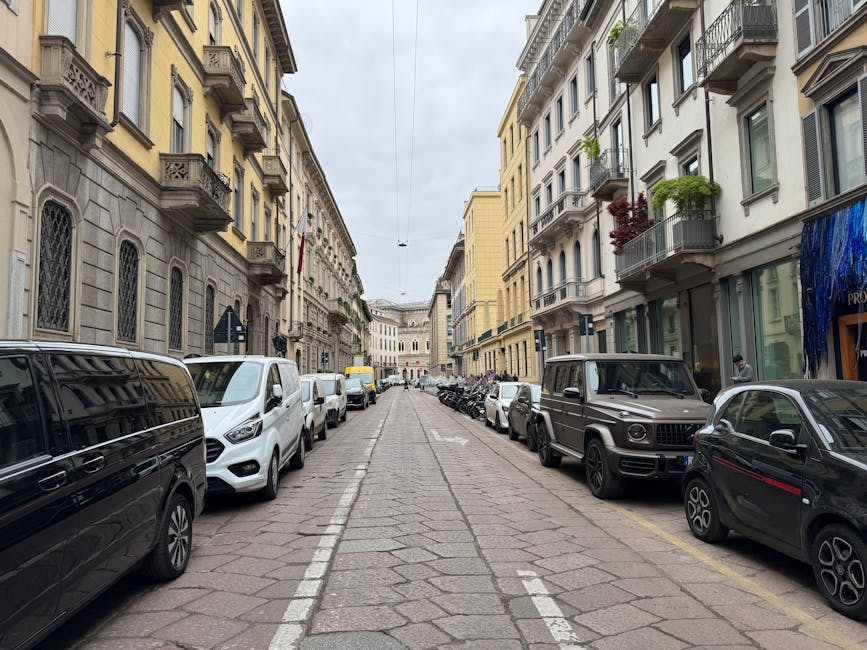 Moderate
Milan, Italy
Explore Milan's creative soul. Discover how industrial factories became world-class design hubs and fashion temples in the trendy Tortona district.
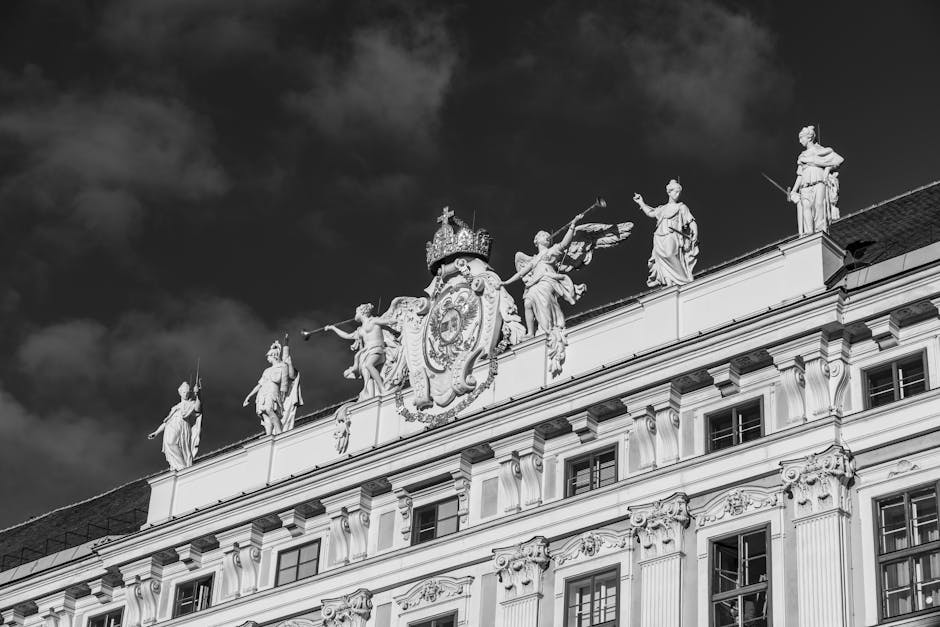 Easy
EasyVienna, Austria
Explore Vienna’s vibrant open-air gallery along the Danube Canal on this self-guided street art and nightlife stroll through Leopoldstadt.
 Moderate
Helsinki, Finland
Explore Helsinki's bohemian heart. Discover historic saunas, granite churches, and the vibrant local life of the Kallio neighborhood at your own pace.
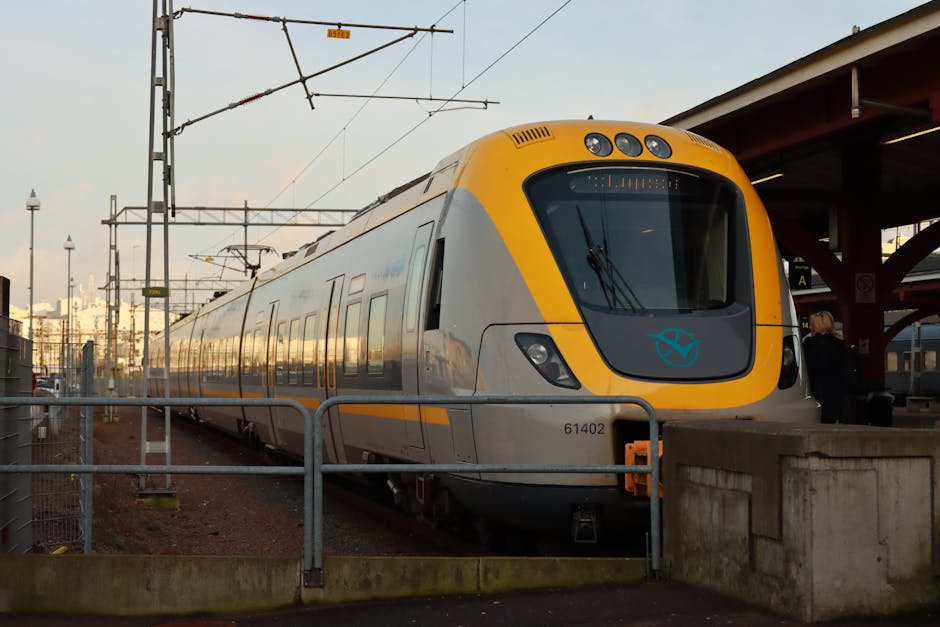 Easy
EasyGothenburg, Sweden
Explore Gothenburg's maritime soul on this self-guided walk from historic shipyards to sleek modern piers and iconic industrial landmarks.
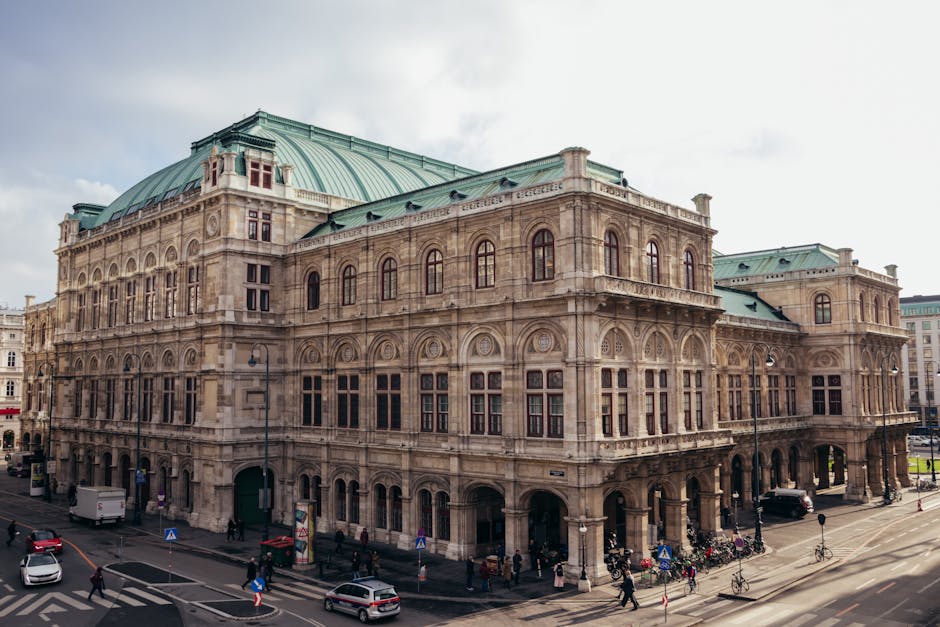 Moderate
Vienna, Austria
Discover the noir world of The Third Man and Cold War Vienna on this atmospheric self-guided audio walk through the historic Innere Stadt.
 Easy
EasyRome, Italy
Explore Rome’s industrial heart on this self-guided walk featuring massive murals, the 'Iron Colosseum,' and unique industrial archaeology.
 Easy
EasyRome, Italy
Explore Rome’s whimsical Fairytale District. A self-guided walk through Art Nouveau palaces, mythical fountains, and the magical Coppedè architecture.
 Moderate
Rome, Italy
Uncover Rome's hidden history on this self-guided walk through ancient gladiator pits, subterranean temples, and buried Roman houses.
 Challenging
Rome, Italy
Walk the 'Queen of Roads.' Explore ancient catacombs, imperial villas, and historic basalt stones on this scenic self-guided Roman adventure.
