While modern Milan is celebrated as a global capital of fashion and finance, a much older, imperial city lies just beneath the surface. This self-guided walk through the historic Cinque Vie district invites you to peel back the layers of time to discover Mediolanum, the capital of the Western Roman Empire. For nearly a century, starting in 286 AD, this was the center of the Roman world, a city of grand palaces, massive circuses, and formidable walls. Today, these ruins are woven into the fabric of the modern city, hidden in basements, integrated into church squares, and preserved in quiet gardens. This walking route Milan offers a unique perspective on the city's ancient origins, moving far beyond the typical tourist path. Begin your self-guided adventure at the Civic Archaeological Museum, housed within a former monastery that was built directly over the Roman city walls. Here, you will see some of the best-preserved architectural remains of the era, including two towering structures that once protected the imperial capital. As you continue through the winding streets of the Cinque Vie, the route leads you to the remnants of Emperor Maximian’s Great Palace, a sprawling complex that once housed the imperial court. You will also discover the site of the Roman Theater, a grand venue for public spectacle that now sits beneath the modern Chamber of Commerce. The journey concludes with a visit to the iconic Columns of San Lorenzo, perhaps the most famous Roman landmark in the city, before finishing at the site of the ancient Amphitheatre. Throughout this exploration, you will learn how Mediolanum shaped the early history of Christianity and the Roman Empire's final centuries. This travel experience is designed for those who enjoy uncovering hidden gems and exploring at their own pace. Whether you are a history enthusiast or a first-time visitor, this neighborhood stroll reveals a side of Milan that many travelers overlook. It is a perfect alternative to a traditional guided tour Milan, allowing you to immerse yourself in the atmosphere of the 'Lost Empire' without a fixed schedule.
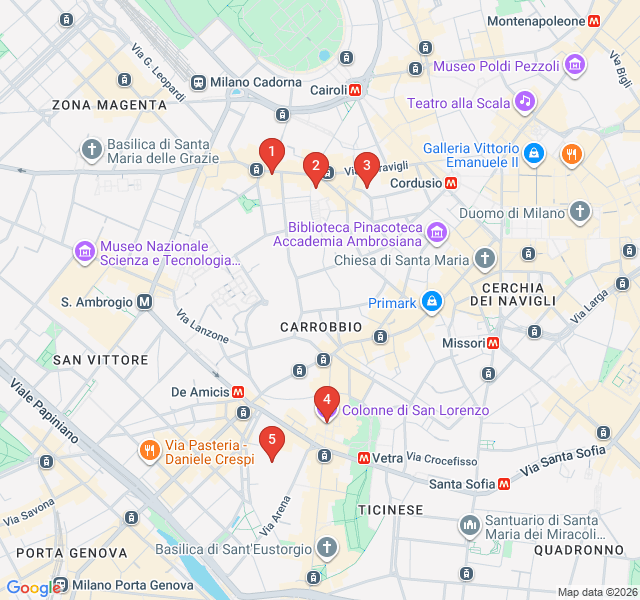
Numbers indicate the order of stops on the tour
Welcome to the starting point of your exploration into Roman Mediolanum. This museum is housed in the Monastero Maggiore di San Maurizio, but its foundations reach back nearly 2,000 years. As you walk through the inner courtyards, you are actually standing on the edge of the ancient city. The most striking features here are the two Roman towers: the 24-meter high square tower, which was once part of the Roman circus (the chariot racing track), and the polygonal tower, which belonged to the city's defensive walls. These walls were expanded by Emperor Maximian to protect the capital of the Western Empire. Inside, the museum hosts a wealth of artifacts, including the famous Trivulzio Cup, which showcase the wealth and artistry of Milan’s imperial era.
Located along Via Brisa, these open-air ruins represent the heart of power in the 3rd and 4th centuries. This was the site of the Palazzo Imperiale, the residence of Emperor Maximian. When Mediolanum became the capital of the Western Roman Empire in 286 AD, it required a palace that rivaled those in Rome. Today, you can see the foundations of the residential quarters, including the remains of the sophisticated 'hypocaust' underfloor heating systems that kept the Roman elite warm during Milanese winters. Imagine this area filled with marble columns, intricate mosaics, and the busiest bureaucrats of the Empire. It was from here that the Edict of Milan was likely discussed, a turning point that led to the legalization of Christianity.
The Roman Theater of Mediolanum was once a massive structure capable of holding thousands of spectators. Built during the reign of Augustus in the 1st century BC, it remained in use for centuries. Today, the theater is largely hidden beneath the Palazzo Mezzanotte, which houses the Italian Stock Exchange, and the Chamber of Commerce. While the structure above is modern, the ancient foundations remain preserved in the basement. You can view the layout of the theater through glass floor panels in the Chamber of Commerce building during business hours. It serves as a stark reminder of how the modern city of Milan is literally built on top of its Roman predecessor, with the ancient curved walls dictating the shape of the streets above.
The 16 Corinthian columns standing here are Milan’s most iconic Roman landmark. Interestingly, they weren't originally built for this location. They were transported here in the 4th century, likely from a 2nd-century pagan temple or public building that had fallen into disuse. They were repurposed to create a grand entrance for the Basilica of San Lorenzo. This practice of 'spolia'—reusing ancient materials for new Christian buildings—was common in late antiquity. Today, the columns serve as a popular social gathering spot for locals. Look closely at the marble to see the weathering of nearly two millennia. The space between the columns and the church was once a monumental atrium, marking the transition from the secular Roman city to the sacred Christian space.
Your final stop is the site of the Roman Amphitheatre, which was once the third-largest in the Roman world, after the Colosseum and the amphitheater in Capua. It could hold roughly 20,000 people who gathered to watch gladiatorial combat and wild animal hunts. After the fall of the Empire, the site was used as a stone quarry to build other structures, including the Basilica of San Lorenzo. Today, the site has been transformed into the 'Parco Amphitheatrum Naturae,' an archaeological park where the footprint of the arena is recreated using trees and hedges. It is a peaceful green space that allows you to visualize the sheer scale of the ancient entertainment venue while enjoying a quiet moment away from the city traffic.
Download Zigway to experience "The Lost Empire: Exploring Roman Mediolanum" with AI-powered audio narration. Walk at your own pace while stories unfold around you.
 Moderate
Milan, Italy
Uncover Milan's dark past on this self-guided walk through plague hospitals, execution grounds, and bone-lined chapels.
 Moderate
Milan, Italy
Explore Milan's historic waterways and ancient basilicas on this self-guided stroll through the vibrant and historic Navigli district.
 Moderate
Milan, Italy
Explore Milan’s creative heart on this self-guided walk through Isola’s vibrant murals, modern architecture, and hidden industrial history.
 Moderate
Milan, Italy
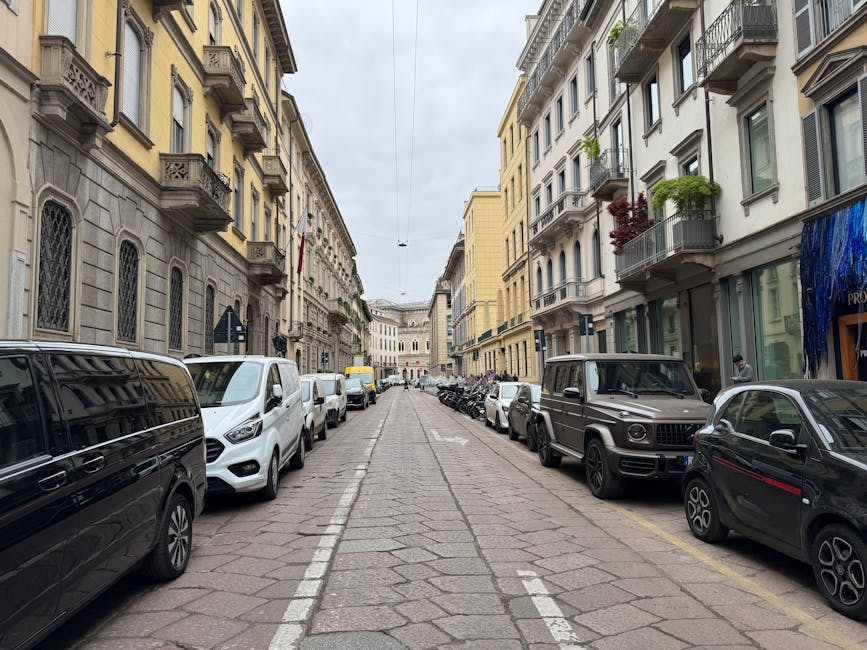
Explore Milan's creative soul. Discover how industrial factories became world-class design hubs and fashion temples in the trendy Tortona district.
 Easy
EasySalzburg, Austria
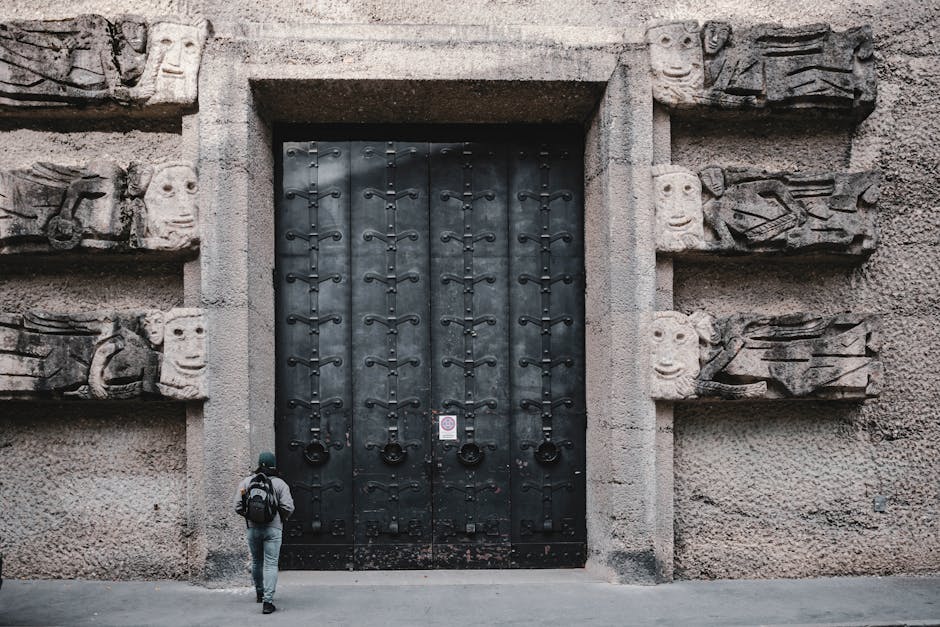
Discover Salzburg's oldest medieval alley, the birthplace of the 'Silent Night' author, and breathtaking views on this quiet self-guided walk.
 Moderate
Vienna, Austria
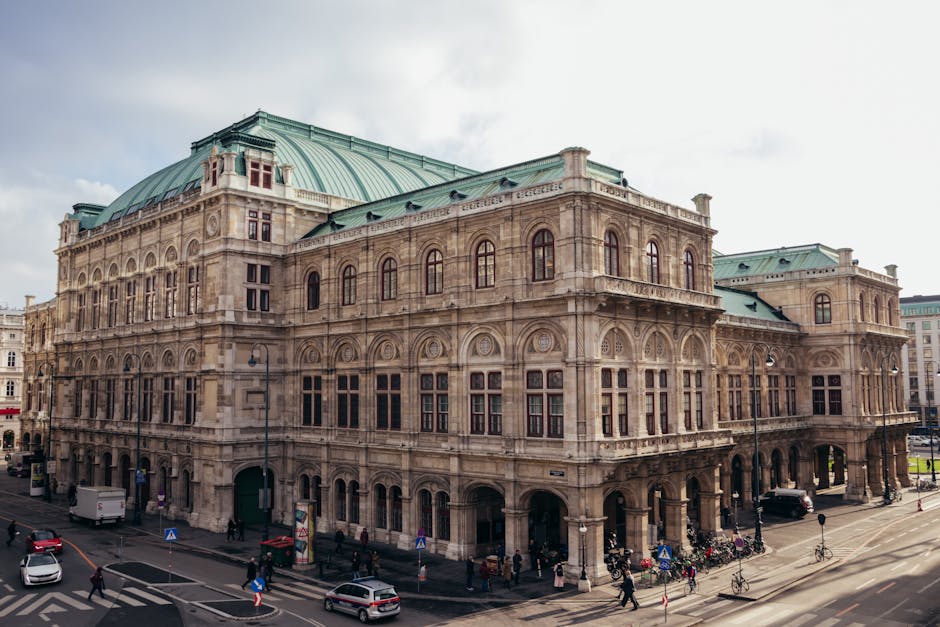
Discover the noir world of The Third Man and Cold War Vienna on this atmospheric self-guided audio walk through the historic Innere Stadt.
 Easy
EasyKrakow, Poland
Explore the prestigious Jagiellonian University district, featuring Neo-Gothic architecture, Baroque churches, and Krakow's hidden scholarly gems.
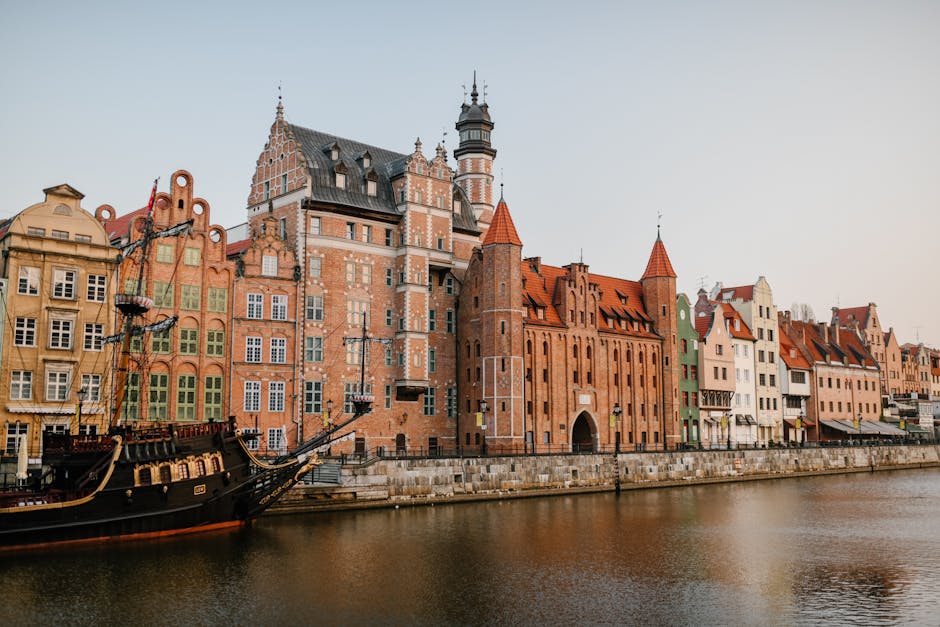 Moderate
Gdansk, Poland
Discover the bohemian soul of Gdańsk. Explore the literary landmarks of Günter Grass, Prussian villas, and the trendy cafes of historic Wrzeszcz.
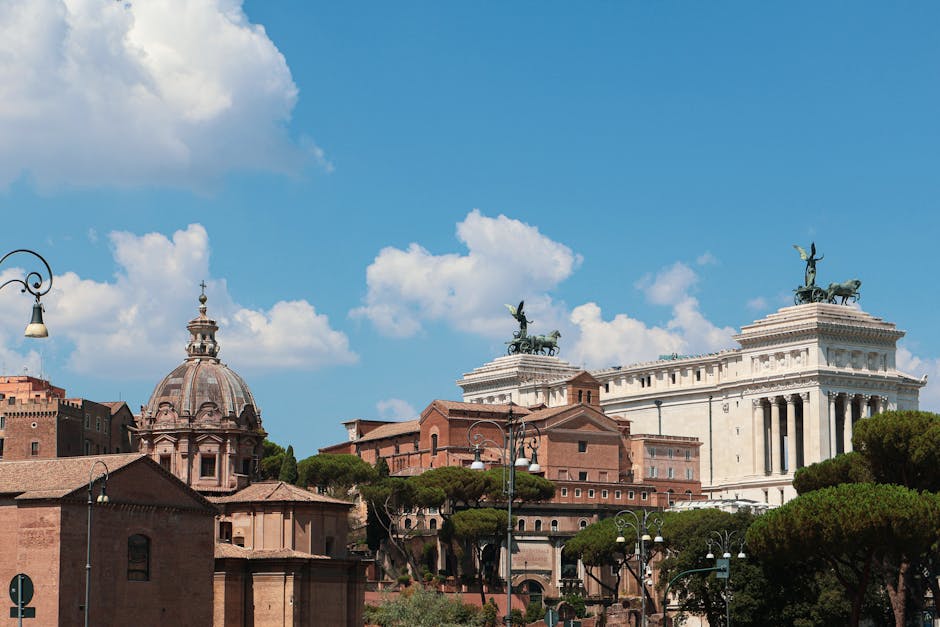 Easy
EasyRome, Italy
Explore Rome’s industrial heart on this self-guided walk featuring massive murals, the 'Iron Colosseum,' and unique industrial archaeology.
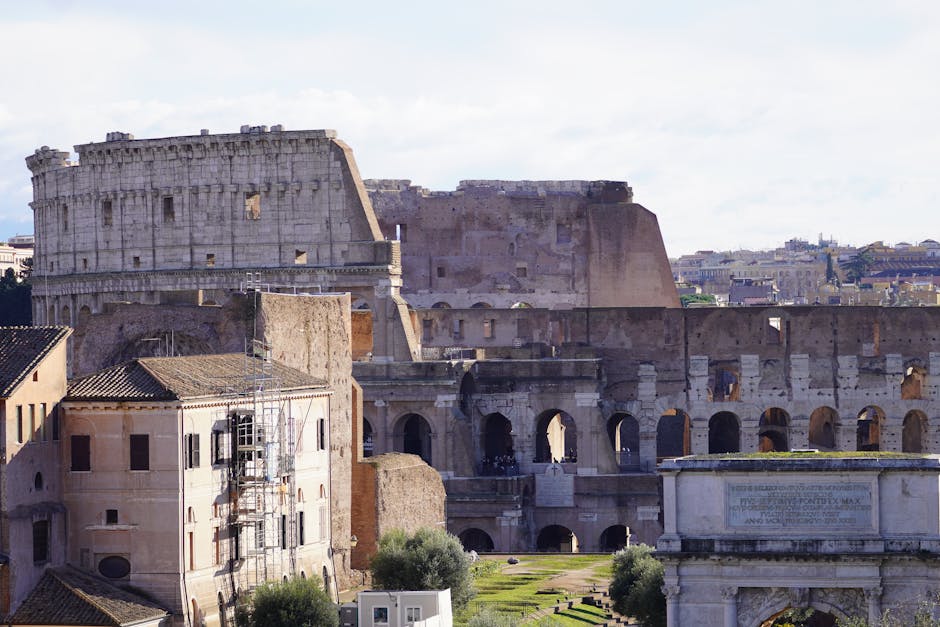 Easy
EasyRome, Italy
Explore Rome’s whimsical Fairytale District. A self-guided walk through Art Nouveau palaces, mythical fountains, and the magical Coppedè architecture.
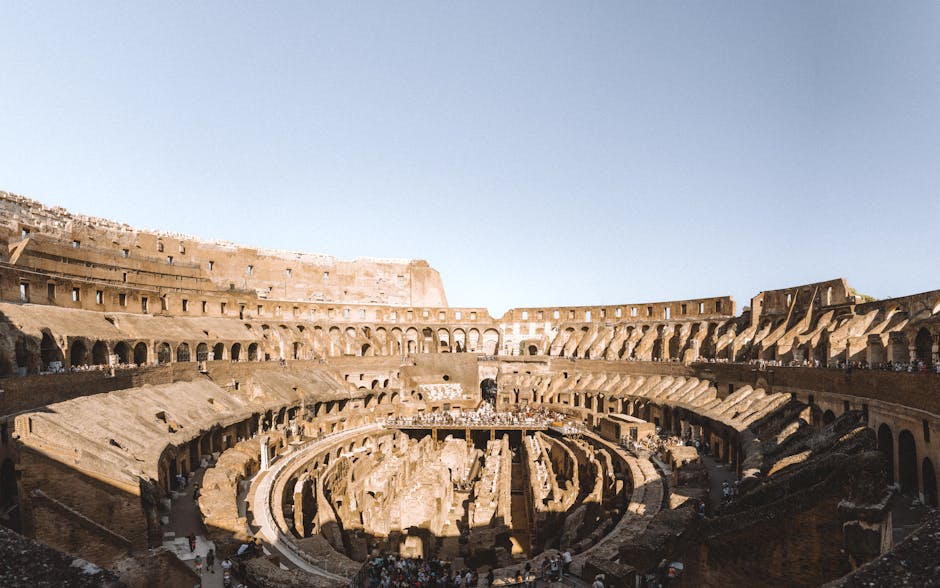 Moderate
Rome, Italy
Uncover Rome's hidden history on this self-guided walk through ancient gladiator pits, subterranean temples, and buried Roman houses.
 Challenging
Rome, Italy
Walk the 'Queen of Roads.' Explore ancient catacombs, imperial villas, and historic basalt stones on this scenic self-guided Roman adventure.
