Milan is often defined by its high fashion and historic Duomo, but just beyond the sleek glass towers of the Garibaldi district lies Isola—a neighborhood that once served as a literal 'island' for the working class. This self-guided walk invites you to explore a corner of the city where industrial grit meets contemporary creativity. For decades, Isola was physically separated from the city center by railway tracks, fostering a fiercely independent spirit and a unique community identity that remains palpable today. On this neighborhood stroll, you will witness the dramatic contrast between the futuristic skyline of Piazza Gae Aulenti and the bohemian, mural-covered streets that characterize the heart of Isola. As you navigate this walking route, you will encounter some of the most impressive street art in Northern Italy. These murals are not just decoration; they are visual records of the neighborhood's social struggles and its eventual rebirth as a hub for artists and innovators. From the vibrant social scene at Frida to the quiet, spiritual history of Santa Maria alla Fontana, this route captures the multifaceted nature of Milanese life. You will also discover the district's industrial heritage at the Napoleonic Foundry, where the city's artistic and manufacturing pasts collide. This experience is designed for those who want to see Milan through a different lens—one where the history of labor, the pulse of modern architecture, and the spontaneity of urban art all occupy the same space. Whether you are a photography enthusiast or a history buff, this self-guided adventure offers a deep dive into the soul of a neighborhood that refuses to be forgotten. **Note:** This area is known for its ever-changing character. Street art, pop-up venues, and temporary exhibitions may differ from what's described. That's part of the adventure - you might discover something entirely new!
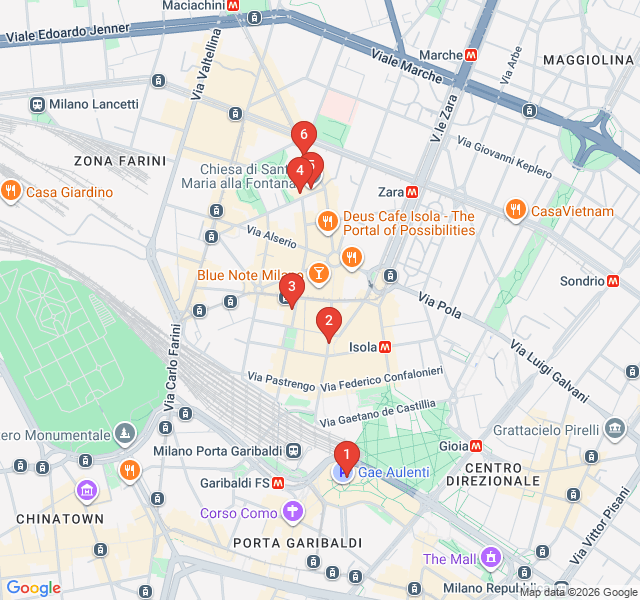
Numbers indicate the order of stops on the tour
Welcome to the gateway of modern Milan. Piazza Gae Aulenti, inaugurated in 2012, represents the city’s ambitious leap into the 21st century. Standing in this circular elevated plaza, you are surrounded by the Unicredit Tower—Italy’s tallest building—and the innovative 'solar trees' that light the space at night. This area was once an industrial wasteland, but it now bridges the gap between the historic center and the Isola district. Take a moment to look toward the 'Bosco Verticale' or Vertical Forest, the two residential towers covered in thousands of trees and plants. This stop highlights the 'Urban Rebirth' part of our journey, showing how Milan has reinvented its skyline through sustainable and bold architecture.
As you walk down Via Pietro Borsieri, you are entering the heart of Isola. This street serves as the neighborhood's main artery and is a prime location for viewing urban art. Street art here is dynamic and ever-changing; murals often reflect local social issues, historical figures, or pure abstract creativity. Isola has long been a stronghold of counter-culture and grassroots activism, and these walls act as a canvas for that expression. Keep an eye out for small details in the doorways and shutters. Because street art is ephemeral by nature, some pieces you see today might be replaced by new works tomorrow, making every walk through this area a unique experience.
Hidden behind an unassuming exterior is Frida, a cornerstone of Isola’s social and cultural scene. Occupying a former industrial space, this venue is famous for its graffiti-covered courtyard and eclectic, bohemian atmosphere. It perfectly encapsulates the transformation of Isola from a working-class district to a trendy, creative hub. In the late 20th century, places like this were reclaimed by the community, turning old workshops into bars, vintage shops, and art spaces. It’s a great spot to observe the local 'Isolani' lifestyle. Notice how the industrial bones of the building have been preserved, serving as a reminder of the neighborhood's manufacturing past while embracing its artistic present.
Teatro Fontana is more than just a performance space; it is a symbol of cultural resilience. Located within a complex that also houses a historic sanctuary, the theater has been a focal point for experimental and contemporary performing arts in Milan since the 1940s. Its presence here highlights the neighborhood's commitment to the arts even during periods of urban decline. The architecture of the complex blends various eras, reflecting the layers of history that define Isola. While the street art outside is spontaneous, the work inside this theater is meticulously crafted, showing the diverse ways that 'rebirth' can manifest in an urban environment.
This stop takes you back to the 16th century. The Church of Santa Maria alla Fontana was built over a site where a natural spring was believed to have healing properties. It is said that even Leonardo da Vinci may have had a hand in the design of the original cloister. The church features beautiful frescoes and a unique underground sacrarium where the 'miraculous' water once flowed. This site provides a stark contrast to the modern skyscrapers you saw earlier, reminding us that Isola’s history is deep and spiritual. It was a place of pilgrimage long before it was a place of industry, offering a peaceful sanctuary amidst the bustling city.
Our final stop is the Fonderia Napoleonica Eugenia, a site of immense historical and industrial significance. Established in the early 1800s, this foundry produced many of the bronze bells and monuments found throughout Italy, including the bells of the Milan Cathedral. Today, it serves as a museum and event space, preserving the original molds, tools, and casting pits. It stands as a testament to the craftsmanship and labor that built Milan’s reputation as an industrial powerhouse. Exploring this space allows you to feel the heat and history of the furnaces that once roared here, marking the perfect end to our exploration of Isola’s transformation from industrial 'island' to modern cultural landmark.
Download Zigway to experience "Isola Unbound: Street Art and Urban Rebirth" with AI-powered audio narration. Walk at your own pace while stories unfold around you.
 Moderate
Milan, Italy
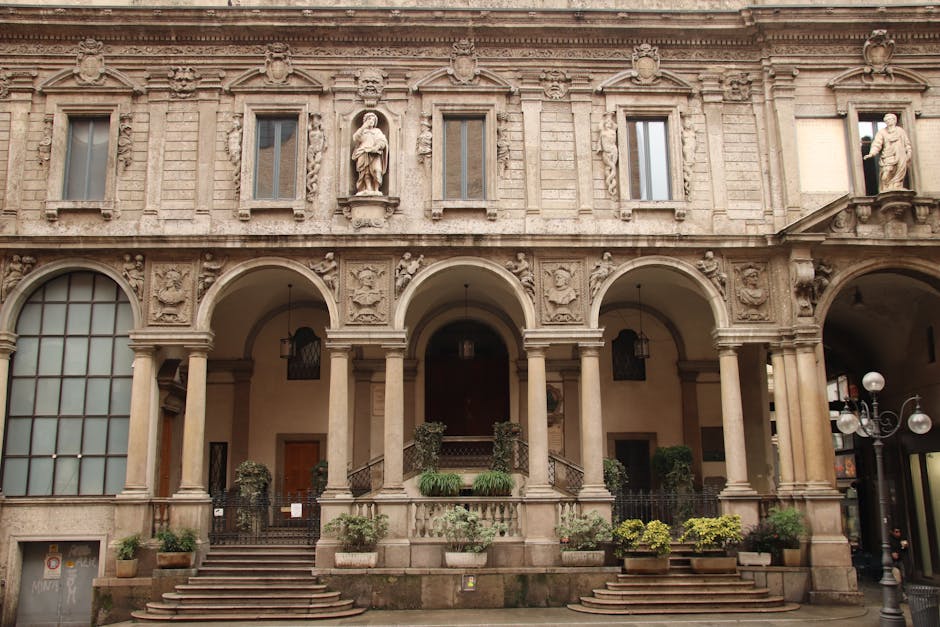
Uncover the hidden capital of the Western Roman Empire on this self-guided walk through Milan's ancient ruins and historic Cinque Vie district.
 Moderate
Milan, Italy
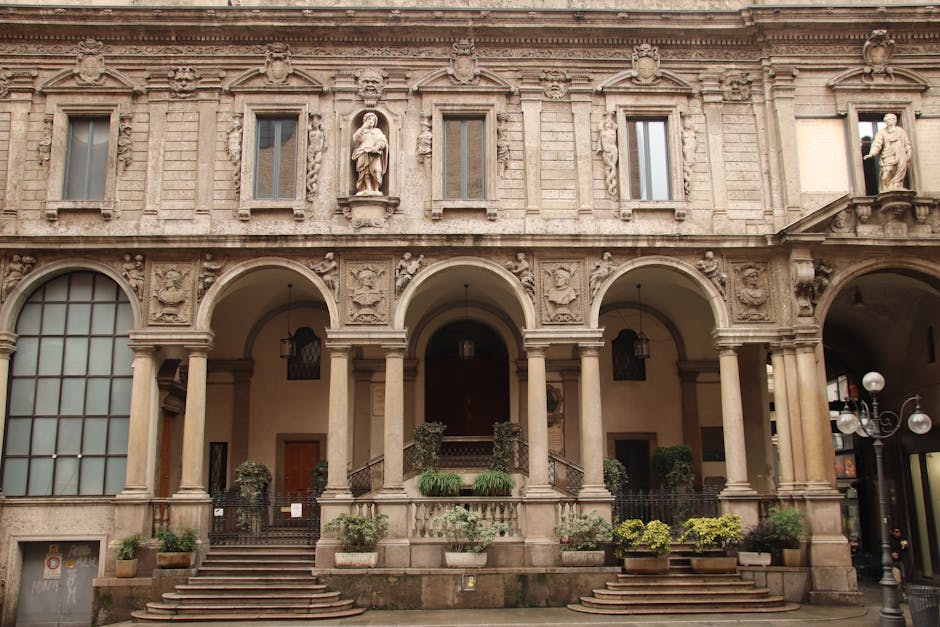
Uncover Milan's dark past on this self-guided walk through plague hospitals, execution grounds, and bone-lined chapels.
 Moderate
Milan, Italy
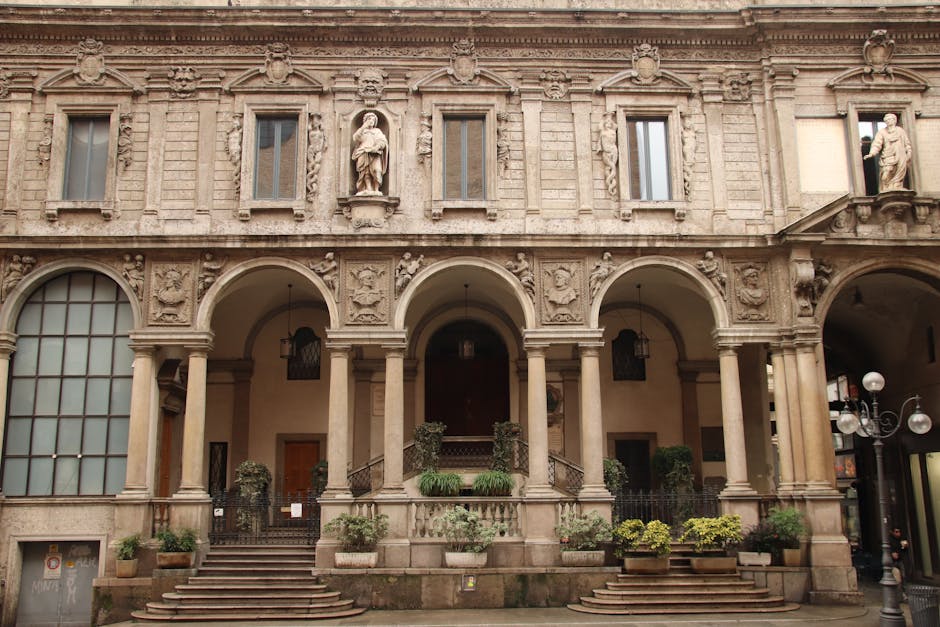
Explore Milan's historic waterways and ancient basilicas on this self-guided stroll through the vibrant and historic Navigli district.
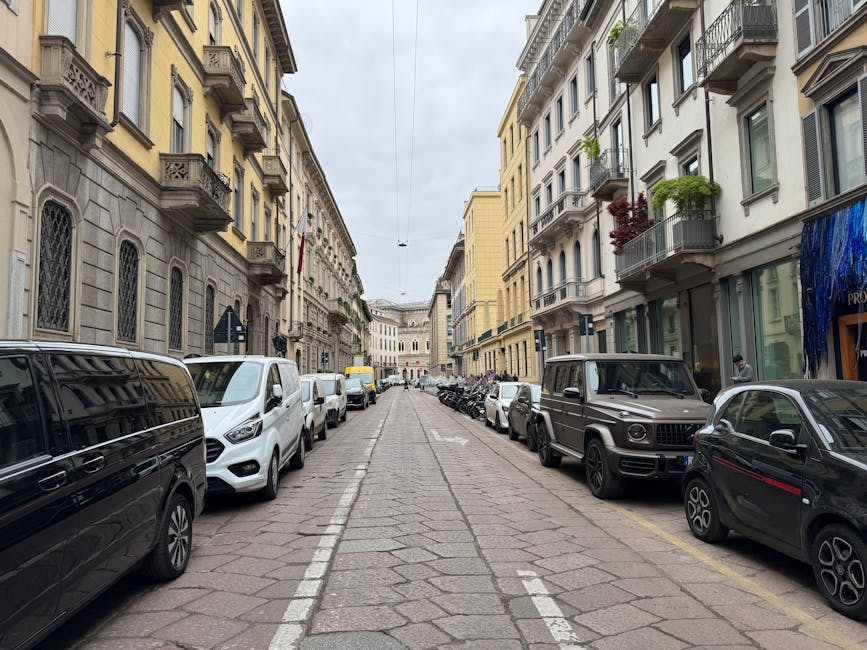 Moderate
Milan, Italy
Explore Milan's creative soul. Discover how industrial factories became world-class design hubs and fashion temples in the trendy Tortona district.
 Moderate
Helsinki, Finland
Explore Helsinki's bohemian heart. Discover historic saunas, granite churches, and the vibrant local life of the Kallio neighborhood at your own pace.
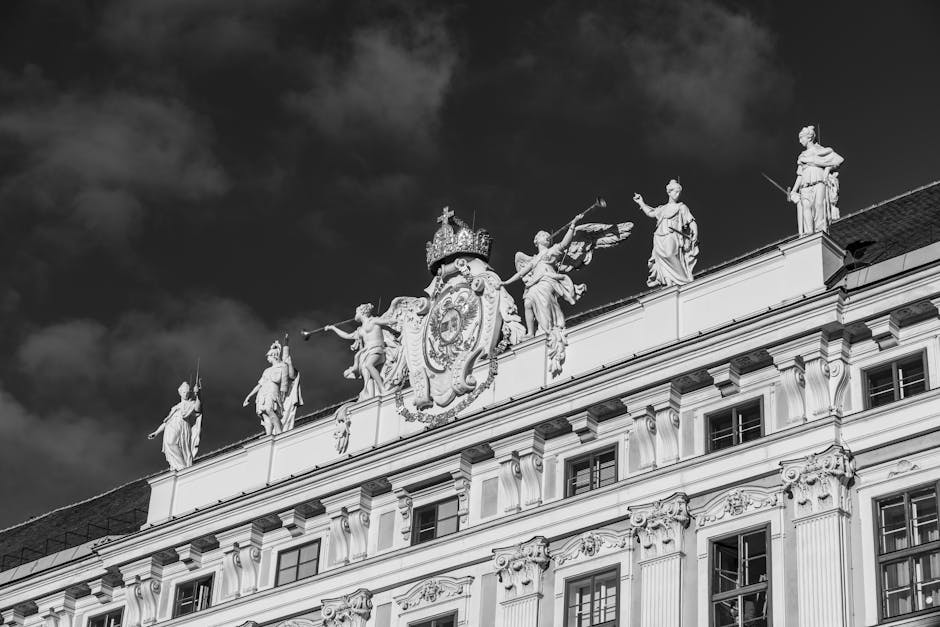 Easy
EasyVienna, Austria
Explore Vienna’s vibrant open-air gallery along the Danube Canal on this self-guided street art and nightlife stroll through Leopoldstadt.
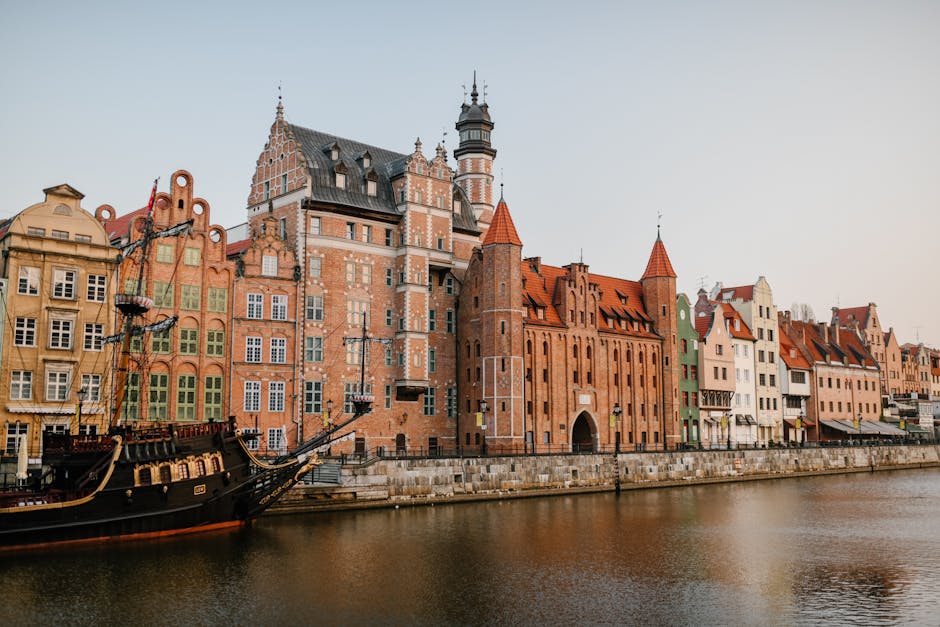 Moderate
Gdansk, Poland
Discover the bohemian soul of Gdańsk. Explore the literary landmarks of Günter Grass, Prussian villas, and the trendy cafes of historic Wrzeszcz.
 Moderate
Gdansk, Poland
Discover Zaspa, a massive open-air gallery where grey housing blocks are transformed by over 60 monumental murals. Explore at your own pace.
 Easy
EasyRome, Italy
Explore Rome’s industrial heart on this self-guided walk featuring massive murals, the 'Iron Colosseum,' and unique industrial archaeology.
 Easy
EasyRome, Italy
Explore Rome’s whimsical Fairytale District. A self-guided walk through Art Nouveau palaces, mythical fountains, and the magical Coppedè architecture.
 Moderate
Rome, Italy
Uncover Rome's hidden history on this self-guided walk through ancient gladiator pits, subterranean temples, and buried Roman houses.
 Challenging
Rome, Italy
Walk the 'Queen of Roads.' Explore ancient catacombs, imperial villas, and historic basalt stones on this scenic self-guided Roman adventure.
