Step onto the lush peninsula of Bygdøy, where the salt air of the Oslofjord meets the legendary sagas of polar explorers and ancient seafarers. This self-guided walk invites you to uncover the 'Museum Peninsula,' a pocket of Oslo that balances high-stakes maritime history with tranquil forest paths and royal summer retreats. Rather than a rigid schedule, this walking route allows you to set your own pace as you transition from the deck of the world's strongest wooden ship to the serene presence of an 800-year-old wooden stave church. Bygdøy is more than just a collection of buildings; it is a testament to Norway's deep-rooted connection to the ocean and the land. Your journey begins at the water's edge, where the Fram and Kon-Tiki museums stand as monuments to human curiosity and endurance. As you move inland, the scenery shifts toward the rustic charm of the Norwegian Museum of Cultural History, an open-air treasure trove of traditional architecture. The route then leads you toward the refined elegance of Oscarshall, a neo-Gothic summer palace, before concluding at the scenic shores of Huk. This neighborhood stroll captures the essence of the Norwegian spirit—a blend of adventurous exploration and a quiet appreciation for nature. Whether you are marvelling at the craftsmanship of a Viking-era vessel or watching the sun dip over the Oslofjord from a sandy beach, this route offers a comprehensive look at the city's maritime and cultural identity. This self-guided adventure is perfect for those who want to escape the city center's bustle without leaving the city limits. This walking tour Oslo provides the flexibility to dive deep into world-class museum exhibits or simply enjoy the coastal views. For anyone seeking a guided tour Oslo experience without the crowds, this independent route ensures you see the best of Bygdøy on your own terms. Prepare for a half-day of maritime majesty and natural beauty on one of the most iconic peninsulas in Scandinavia.
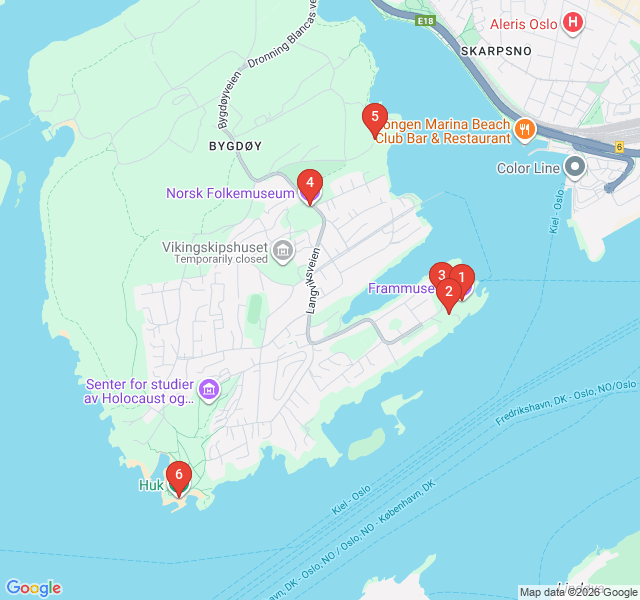
Numbers indicate the order of stops on the tour
Welcome to the home of the world's most famous polar ship. The Fram Museum is centered around the vessel used by explorers Fridtjof Nansen, Otto Sverdrup, and Roald Amundsen between 1893 and 1912. The ship was uniquely designed with a rounded hull to allow the ice to push it up rather than crush it. Here, you can actually step on board and explore the cabins, engine room, and galley where these men lived during their perilous journeys to the North and South Poles. The museum captures the sheer grit required for polar survival, featuring a 'cold simulator' and artifacts from the heroic age of exploration. It is a powerful introduction to Norway's maritime dominance and the relentless curiosity of its people.
Just a short walk away, the Norwegian Maritime Museum offers a broader look at the nation's 1,000-year relationship with the sea. While the Fram focuses on specific expeditions, this museum explores how the ocean shaped Norwegian society, trade, and daily life. Look out for the Goksund ship, one of the oldest boats found in Norway, and the impressive collection of marine art. The building itself is an architectural highlight, featuring large glass windows that offer panoramic views of the very fjord that has sustained this nation for centuries. It is a place to reflect on how seafaring evolved from primitive rowing boats to the massive shipping industry of the modern era.
The Kon-Tiki Museum tells the story of Thor Heyerdahl, one of history's most famous experimental archaeologists. In 1947, Heyerdahl and his crew sailed a balsa wood raft named Kon-Tiki across the Pacific Ocean to prove that ancient people could have made long-distance sea voyages. Inside, you will see the original raft, along with the papyrus boat Ra II, which Heyerdahl used to cross the Atlantic. The museum is a tribute to the idea that limits are often self-imposed and that the ocean was once a highway rather than a barrier. The exhibits also delve into Heyerdahl's expeditions to Easter Island and the Galapagos, making it a favorite for those fascinated by ancient mysteries.
Moving inland toward the heart of the peninsula, you enter the Norsk Folkemuseum. This is one of the world's oldest and largest open-air museums, featuring 160 historic buildings relocated from all over Norway. The undisputed crown jewel is the Gol Stave Church, a medieval wooden structure dating back to approximately 1200 AD. As you walk through the different sections, you transition through centuries of Norwegian life, from rural farmsteads with sod roofs to 19th-century townhouses. It feels like a time capsule where the scent of old wood and the sight of traditional crafts bring the past to life. It is the perfect place to understand the 'land' side of Norwegian history after exploring its seas.
A short stroll leads you to Oscarshall, a summer palace commissioned by King Oscar I and Queen Joséphine in the mid-19th century. This neo-Gothic masterpiece is considered one of the most important examples of the style in Norway. Unlike the grand royal palaces of Central Europe, Oscarshall is intimate and integrated into the surrounding parkland. It was intended to showcase Norwegian art and craftsmanship, celebrating the burgeoning national identity of the time. The palace sits on a slope overlooking the water, surrounded by a romantic English-style park. Even if you don't head inside for a look at the ornate interiors, the exterior architecture and the view from the terrace are worth the detour.
Your journey concludes at Huk, a popular recreational area at the southern tip of Bygdøy. Huk is famous for its beaches, parkland, and large-scale sculptures. It is the place where Oslo locals come to soak up the sun, swim in the fjord, or enjoy a picnic. From the shoreline, you can watch the ferries and sailboats crisscrossing the water against the backdrop of the Nesodden peninsula. It is a peaceful spot to decompress after a day of museum-hopping and historical discovery. Whether you choose to dip your toes in the water or simply sit on the rocks and enjoy the breeze, Huk represents the modern Norwegian lifestyle—uncomplicated, outdoorsy, and deeply connected to the environment.
Download Zigway to experience "Maritime Majesty: The Bygdøy Museum Trail" with AI-powered audio narration. Walk at your own pace while stories unfold around you.
 Easy
EasyOslo, Norway
Discover Oslo's stunning modern waterfront on this self-guided walk through the innovative Bjørvika district and its iconic architecture.
 Easy
EasyOslo, Norway
Explore Oslo's 'Thief Island' on this self-guided walk through cutting-edge architecture, world-class galleries, and stunning fjord-side sculptures.
 Easy
EasyOslo, Norway
Discover Oslo's most charming 18th-century wooden houses and medieval history on this peaceful self-guided stroll through hidden hillside lanes.
 Moderate
Oslo, Norway
Discover Oslo's 1,000-year history on this self-guided walk from the medieval Akershus Fortress to the ancient ruins of the Old Town.
 Moderate
Helsinki, Finland
Explore the 'Gibraltar of the North' on this independent walking route through the historic bastions and hidden gardens of Suomenlinna Sea Fortress.
 Easy
EasyKrakow, Poland
Uncover Krakow's legendary past on this self-guided walk from literary monuments to the fire-breathing Wawel Dragon.
 Easy
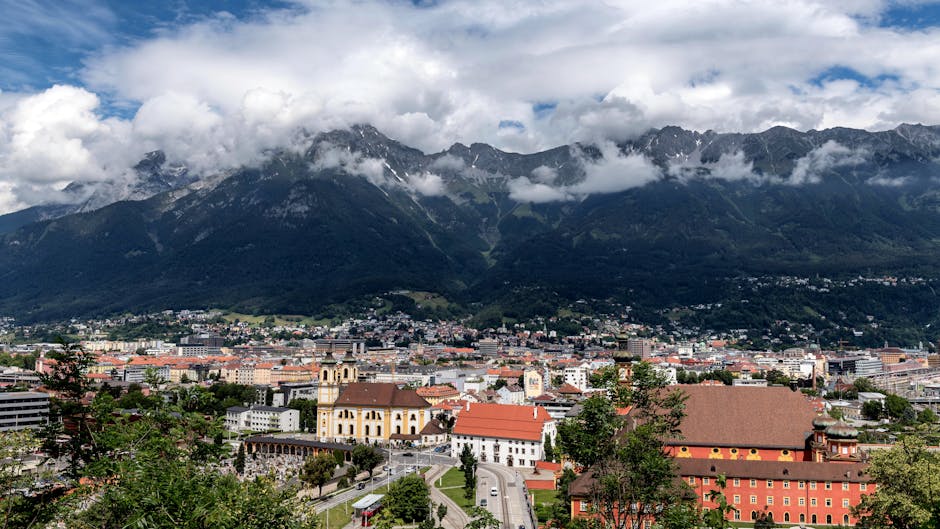
EasyInnsbruck, Austria
Uncover the myths and legends of Innsbruck on this self-guided walk through the historic Altstadt and beyond.
 Moderate
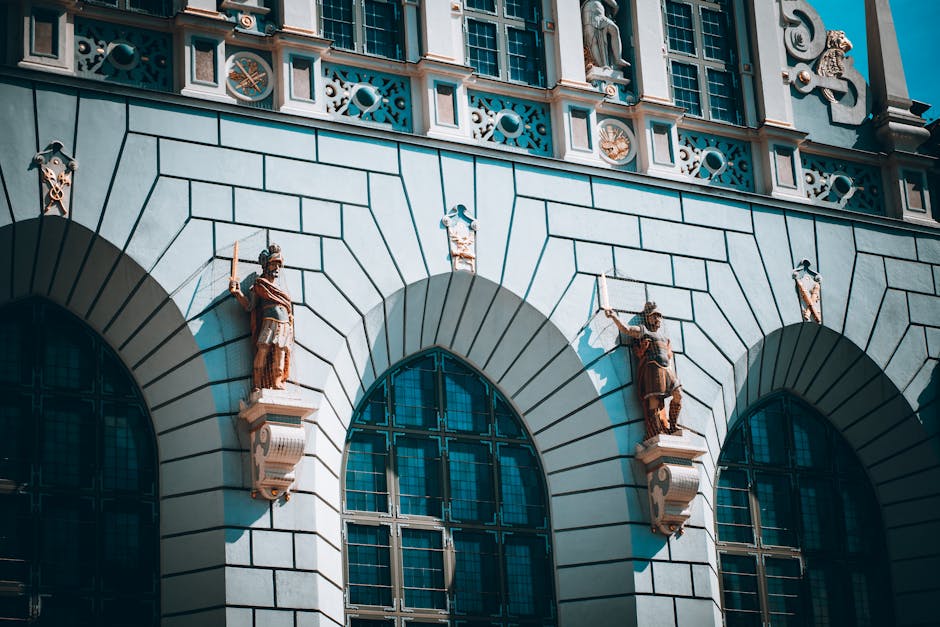
Gdansk, Poland
Discover the origins of WWII in Gdansk on this self-guided walk through heroic last stands, massive museums, and strategic hilltop fortifications.
 Easy
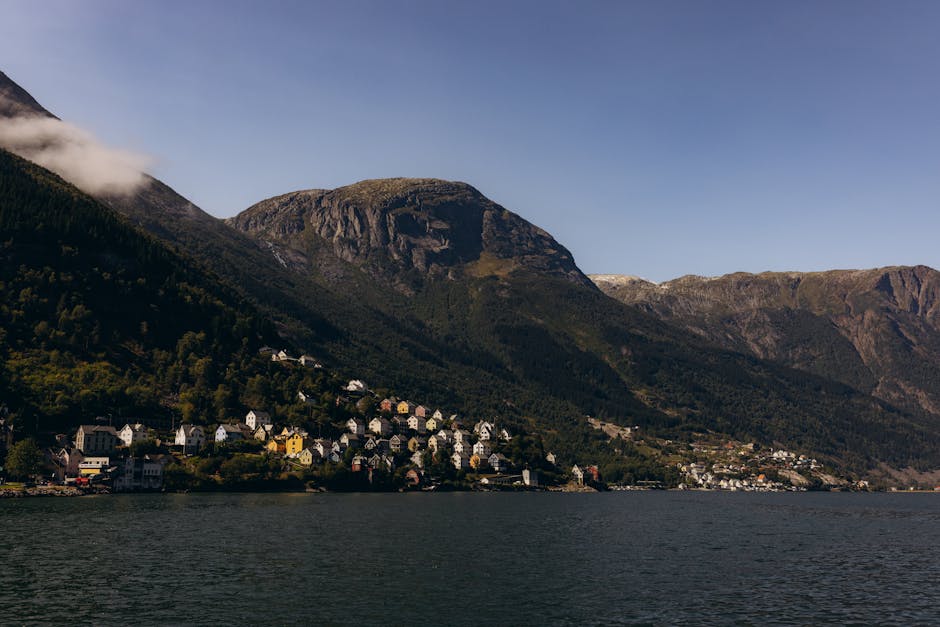
EasyBergen, Norway
Explore Bergen's vibrant craft beer scene and historic pubs on this self-guided audio walk through the atmospheric Sentrum district.
 Easy
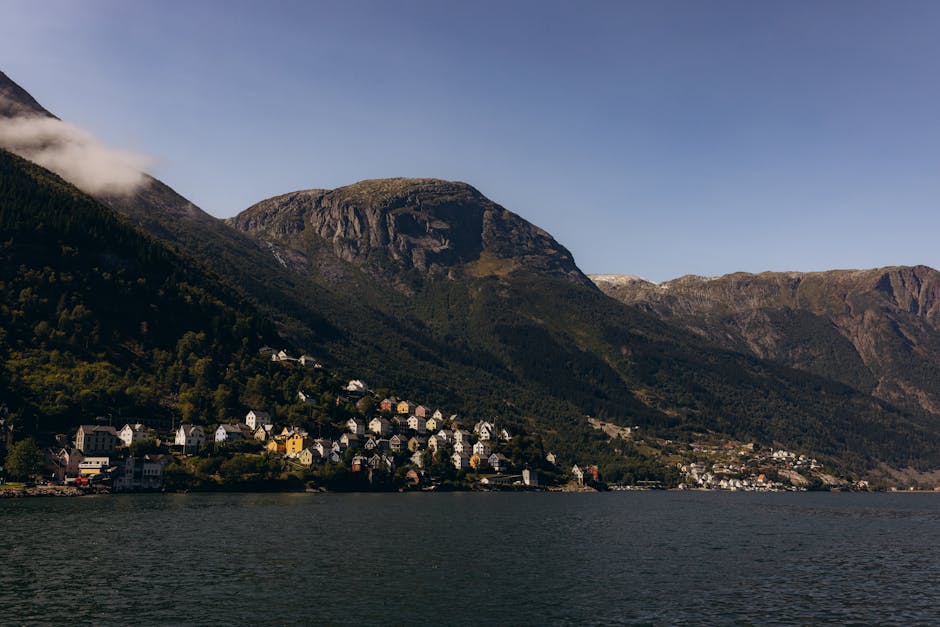
EasyBergen, Norway
Discover Bergen's rich literary heritage on this self-guided walk through the city's historic theaters, libraries, and monuments of great writers.
 Easy
EasyBergen, Norway
Explore Bergen's charming Nordnes peninsula at your own pace, featuring narrow wooden alleys, historic fortresses, and stunning fjord views.
 Moderate
Bergen, Norway
Explore Bergen’s steepest alleys and hidden wooden neighborhoods on this self-guided photography walk through the historic Fjellsiden district.
