Milan is often associated with high fashion and the towering Duomo, but its most profound artistic legacy lies within the gates of the Cimitero Monumentale. Known as an 'open-air museum,' this site is far from a somber graveyard; it is a sprawling gallery showcasing the evolution of Italian sculpture from the mid-19th century to the present day. On this self-guided walk, you will explore a 250,000-square-meter sanctuary where grand architecture meets intimate human stories. The journey begins at the Famedio, or Hall of Fame, a massive Neo-Medieval structure that houses the remains of Milan’s most illustrious citizens, including the novelist Alessandro Manzoni. As you follow the walking route through the quiet, tree-lined avenues, you will encounter various 'edicole'—ornate family chapels that reflect the wealth and artistic tastes of the Milanese industrial elite. This audio walk highlights the fusion of Liberty, Byzantine, and Modernist styles. You will witness the dramatic bronze 'Last Supper' at the Edicola Campari and pay respects at the final resting place of legendary conductor Arturo Toscanini. Beyond the art, the site tells the story of Milan’s social transformation, from the rise of the bourgeoisie to the pioneering establishment of the first crematorium in Europe. Whether you are an art enthusiast or a history buff, this neighborhood stroll offers a peaceful escape from the city’s bustle while providing deep insight into the soul of Milan. Unlike a standard guided tour Milan, this independent exploration allows you to linger at the sculptures that move you most. This walking tour Milan experience is essential for those seeking the city's hidden cultural treasures and a moment of quiet reflection amidst breathtaking craftsmanship.
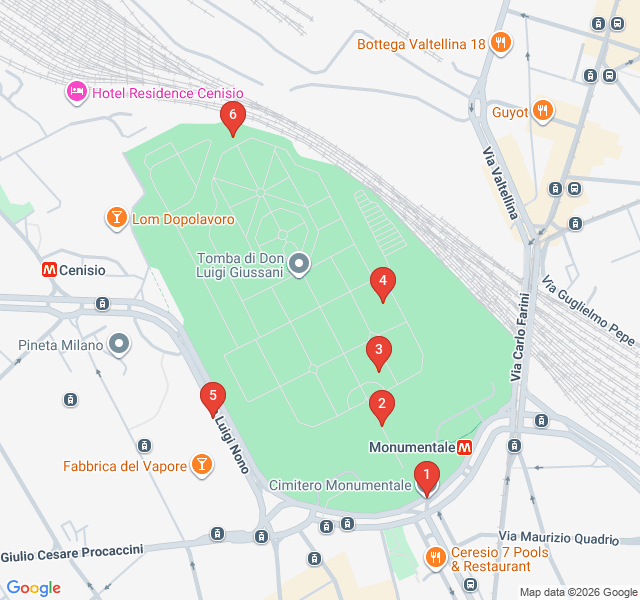
Numbers indicate the order of stops on the tour
Welcome to one of Milan's most extraordinary cultural sites. Opened in 1866, the Cimitero Monumentale was designed by architect Carlo Maciachini to unify the city's scattered burial grounds into one magnificent location. As you stand before the grand entrance, notice the eclectic mix of styles—Pisan Gothic, Lombard Romanesque, and Byzantine influences all meet here. This wasn't just a place for the dead; it was a stage for the living to showcase their status and artistic taste. Today, it stands as one of the largest collections of 19th and 20th-century sculpture in Europe. Take a moment to appreciate the scale of the entrance before we head into the heart of the complex.
The Famedio, or 'Hall of Fame,' is the centerpiece of the cemetery. This massive Neo-Medieval building is where Milan honors its most distinguished residents. At the center of the hall, you'll find the sarcophagus of Alessandro Manzoni, the author of 'The Betrothed' and a titan of Italian literature. The walls are lined with the names of artists, scientists, and politicians who shaped the city's identity. Look up at the stunning vaulted ceilings and the intricate marble work; the atmosphere here is intended to be both solemn and celebratory, honoring the intellectual and cultural triumphs of the Milanese people through the centuries.
As you continue your walking route, you'll encounter the Civico Mausoleo Palanti. This structure was designed by Mario Palanti, an architect famous for his work in Buenos Aires. Originally intended as a private family tomb, it was later dedicated to the city to house 'illustrious Milanese' who didn't quite fit the criteria for the Famedio but still served the city with distinction. Its heavy, almost fortress-like aesthetic is a prime example of the early 20th-century monumental style. It serves as a reminder of how the cemetery evolved to reflect not just individual wealth, but collective civic pride and the complex social hierarchy of Milan.
Arturo Toscanini was one of the most acclaimed conductors of the 20th century, and his resting place is as dramatic as the operas he led at La Scala. The tomb was designed by Leonardo Bistolfi and is titled 'The Ship.' The sculpture depicts a vessel carrying the soul, surrounded by figures representing grief and music. It’s a masterpiece of the Symbolist movement, moving away from literal representation to evoke emotion. Toscanini’s legacy as a fierce anti-fascist and a musical perfectionist is perfectly captured in the quiet intensity of this monument. It remains one of the most visited sites in the cemetery for music lovers from around the world.
One of the most famous stops on this neighborhood stroll is the Edicola Campari. Built for the family behind the world-famous aperitif, this tomb features a life-sized bronze recreation of Leonardo da Vinci’s 'The Last Supper.' Created by sculptor Giannino Castiglioni in 1935, the detail in the figures' expressions and the flow of their robes is breathtaking. It is a testament to the immense wealth of Milan's industrial dynasties and their desire to connect their legacy with the greatest icons of Italian art history. Standing before it, you can see how the lines between sacred art and personal memorial blur into something truly unique.
Our final stop is the Tempio Crematorio. While it may seem modest compared to the ornate chapels, this building represents a massive shift in European social history. Opened in 1876 through the efforts of Alberto Keller, it was the first modern crematorium in Europe. At the time, cremation was a controversial and progressive choice, often associated with secularism and scientific advancement. The Greek-temple style reflects the neoclassical preference for rationalism over religious tradition. It serves as a fitting end to our walk, highlighting Milan’s role as a pioneer of modernity and a city that has always looked toward the future, even in how it honors the past.
Download Zigway to experience "Stories in Stone: The Monumental Cemetery Walk" with AI-powered audio narration. Walk at your own pace while stories unfold around you.
 Moderate
Milan, Italy
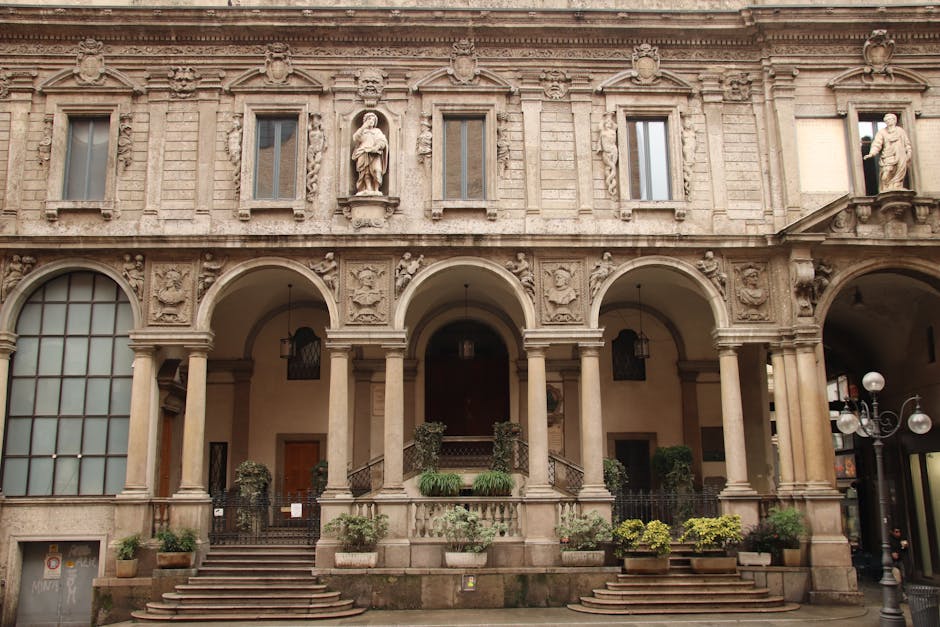
Uncover the hidden capital of the Western Roman Empire on this self-guided walk through Milan's ancient ruins and historic Cinque Vie district.
 Moderate
Milan, Italy
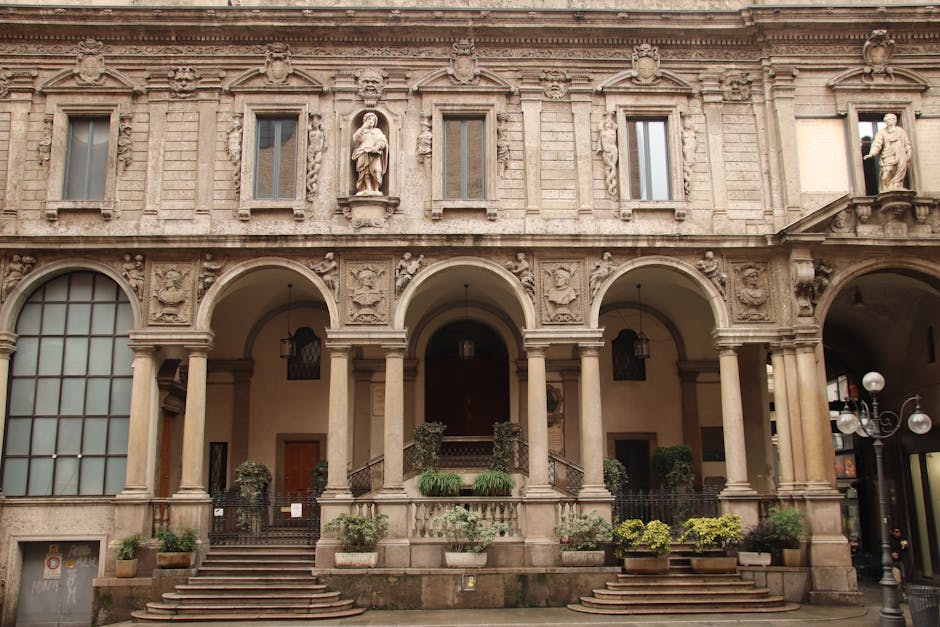
Uncover Milan's dark past on this self-guided walk through plague hospitals, execution grounds, and bone-lined chapels.
 Moderate
Milan, Italy
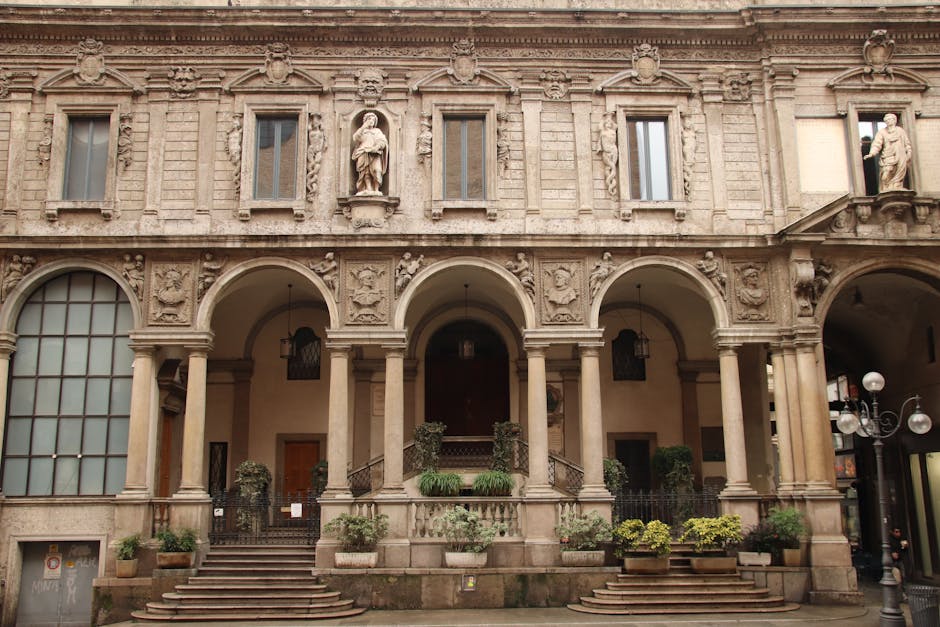
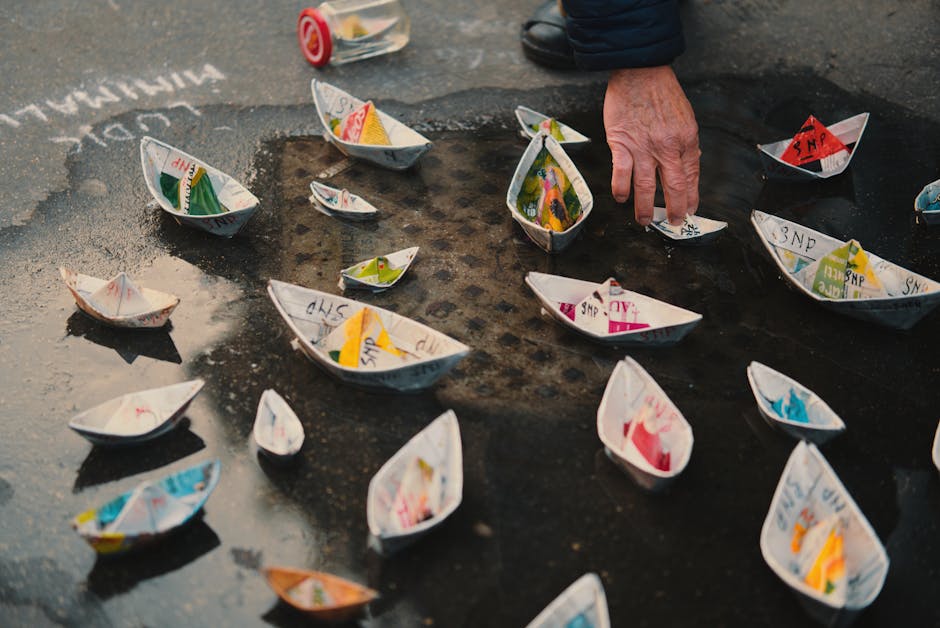
Explore Milan's historic waterways and ancient basilicas on this self-guided stroll through the vibrant and historic Navigli district.
 Moderate
Milan, Italy
Explore Milan’s creative heart on this self-guided walk through Isola’s vibrant murals, modern architecture, and hidden industrial history.
 Easy
EasyNairobi, Kenya
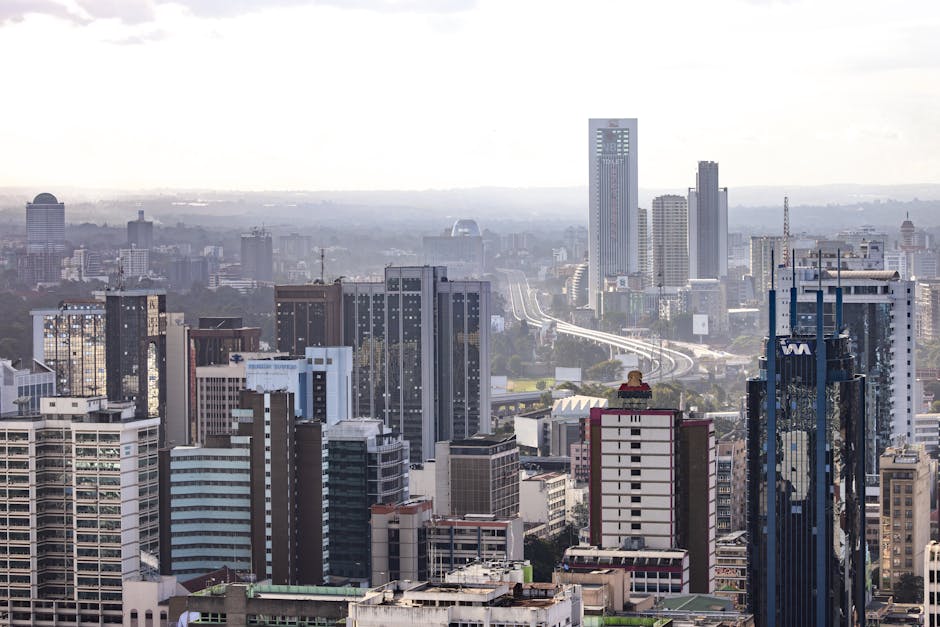
Discover Nairobi's iconic skyline on this self-guided architecture walk through the CBD’s most famous modernist and Brutalist landmarks.
 Moderate
Vienna, Austria
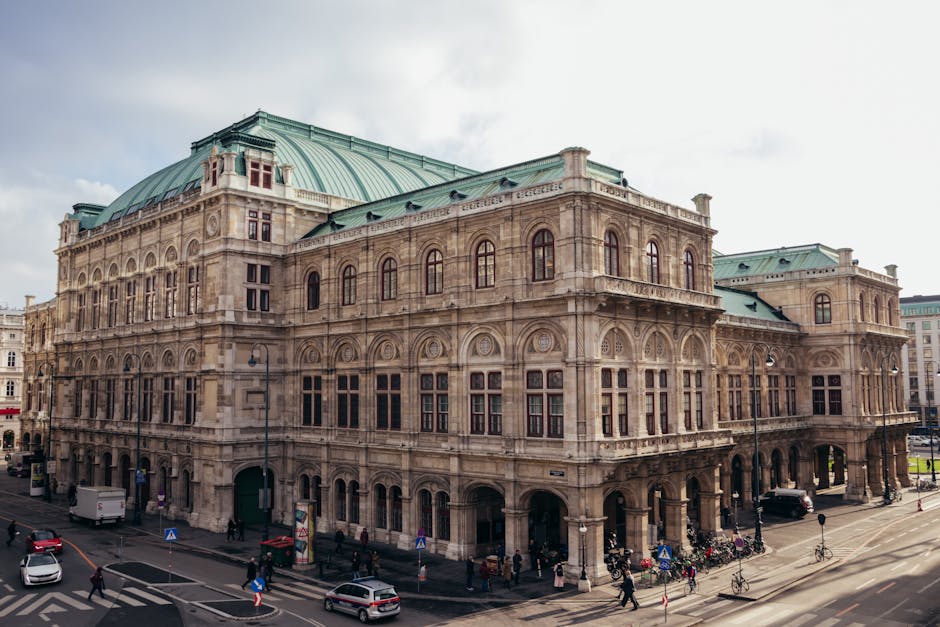
Discover the noir world of The Third Man and Cold War Vienna on this atmospheric self-guided audio walk through the historic Innere Stadt.
 Easy
EasyWarsaw, Poland
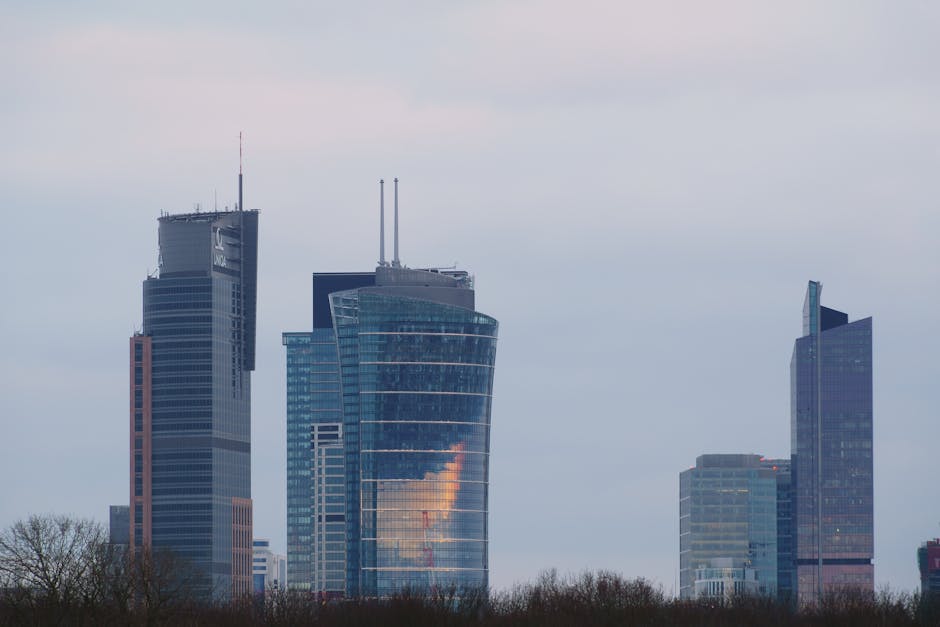
Discover the hidden courtyards and grand pre-war architecture of Warsaw's most atmospheric neighborhood on this self-guided stroll.
 Easy
EasyWarsaw, Poland
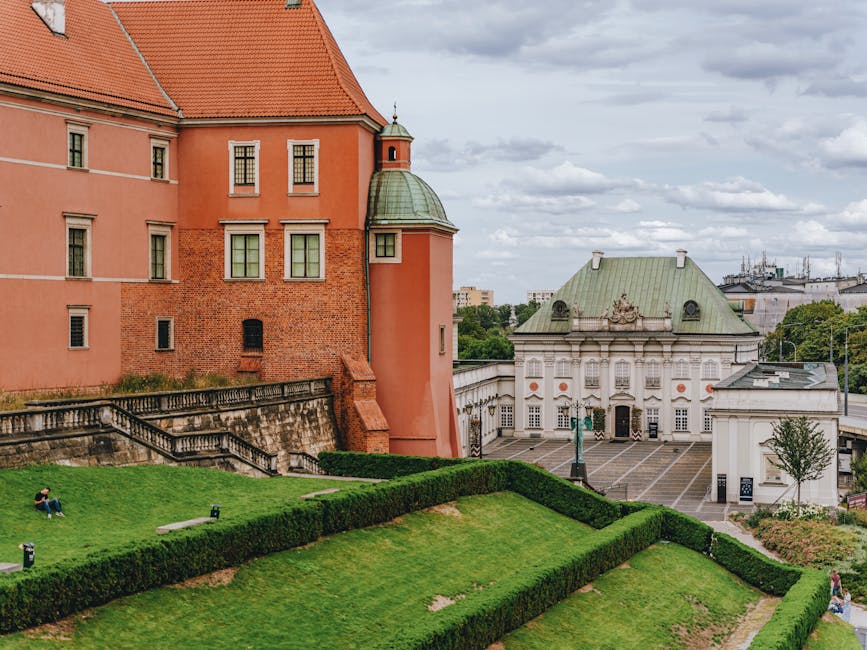
Explore the miracle of Warsaw's reconstructed Old Town on this self-guided walk through royal squares, medieval walls, and heroic monuments.
 Easy
EasyRome, Italy
Explore Rome’s industrial heart on this self-guided walk featuring massive murals, the 'Iron Colosseum,' and unique industrial archaeology.
 Easy
EasyRome, Italy
Explore Rome’s whimsical Fairytale District. A self-guided walk through Art Nouveau palaces, mythical fountains, and the magical Coppedè architecture.
 Moderate
Rome, Italy
Uncover Rome's hidden history on this self-guided walk through ancient gladiator pits, subterranean temples, and buried Roman houses.
 Challenging
Rome, Italy
Walk the 'Queen of Roads.' Explore ancient catacombs, imperial villas, and historic basalt stones on this scenic self-guided Roman adventure.
